Man Utd’s Revamped Transfer Strategy: A New Era Under Ineos
Data-Driven Decisions at the Heart of United’s Transformation
Manchester United, under the new partial ownership of Sir Jim Ratcliffe and his Ineos team, is on the verge of a significant shift in its approach to football operations and transfer strategies. As highlighted by Mark Douglas in iNews, the focus will now pivot towards a data-driven methodology, profoundly changing the club’s recruitment dynamics.
Shifting the Power Dynamics in Transfer Decisions
With the forthcoming 25% stake acquisition by Ineos, a complete overhaul of United’s football operations is imminent. This shift includes the introduction of several executive roles, fundamentally altering the transfer decision-making process. Manchester United’s recent appointment of Omar Berrada as chief executive underscores Ineos’s commitment to adopting a “best in class” approach, aiming to rectify past transfer missteps.
Ten Hag’s Diminishing Influence and Embracing Data
Erik ten Hag’s current influence over transfers is likely to wane, with Ineos intent on integrating data into these crucial decisions. This approach mirrors Ineos’s successful ventures in other sports, notably their America’s Cup team and the two-hour marathon challenge. The example of Nice, where Francesco Farioli was chosen based on data analysis, is a testament to Ineos’s commitment to data-driven decision-making in football.
Data Science: The New Language of Old Trafford
Ineos’s focus on data is not just a strategic shift but a cultural one. Key meetings between Ineos director of sport Sir Dave Brailsford and Manchester United’s data department have shown promising synergy. United’s first director of data science, Dominic Jordan, and head of data operations, Chris Shumba, have both emphasized their ambition to revolutionize the club’s approach with a robust data platform. However, skepticism remains regarding the actual influence of data in recent transfers, especially in light of the personal preferences shown by Ten Hag in previous signings.
Youthful Vigor: Targeting New Talent
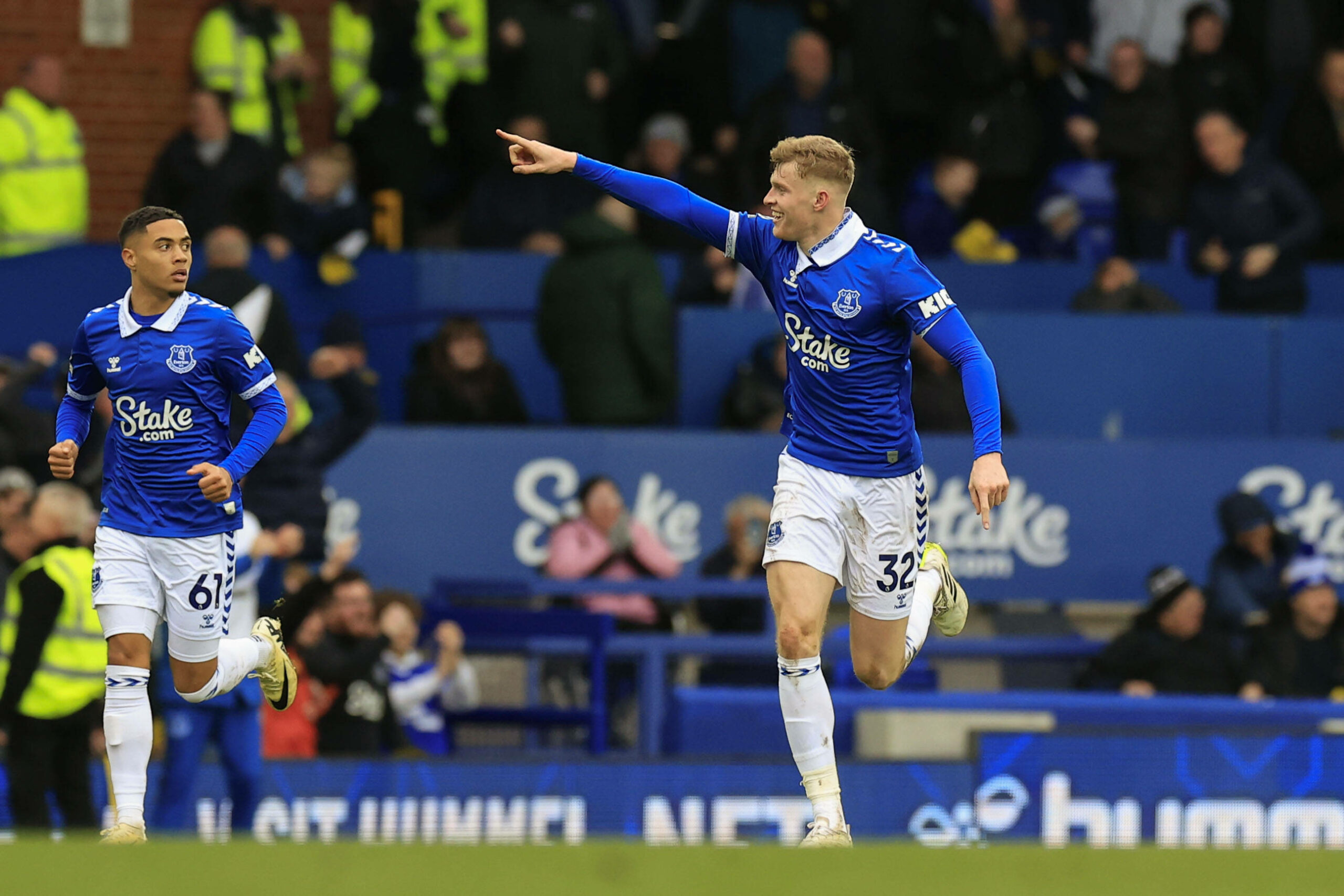
In line with the new strategy, United aims to lower the age profile of their signings, with talents like Everton’s Jarrad Branthwaite and Crystal Palace’s Michael Olise already on the radar. This youthful focus aligns with the data-centric approach, suggesting a long-term vision for the club’s success.

Ratcliffe’s Ineos Set to Accelerate Changes
The expected approval from the Premier League will mark the beginning of the Ratcliffe-Ineos era at Manchester United. This new phase promises rapid developments, with potential appointments in key football operational roles, including a new director of football and possibly a head of recruitment.
The Road Ahead: Anticipating Structural Changes
As United awaits the formal ratification of Ratcliffe’s investment, speculation abounds regarding the club’s future structure. The completion of the ownership tests by the Premier League will clear the path for the proposed audit and the subsequent reshaping of United’s football operations.
In conclusion, Manchester United stands at the cusp of a pivotal transformation under Ineos’s influence. The incorporation of data analytics into their transfer strategy represents a significant shift from past practices, with implications not just for player recruitment but for the entire operational framework of the club. As this new era dawns, United fans and football enthusiasts alike will keenly observe how these changes translate into success on the pitch.

