
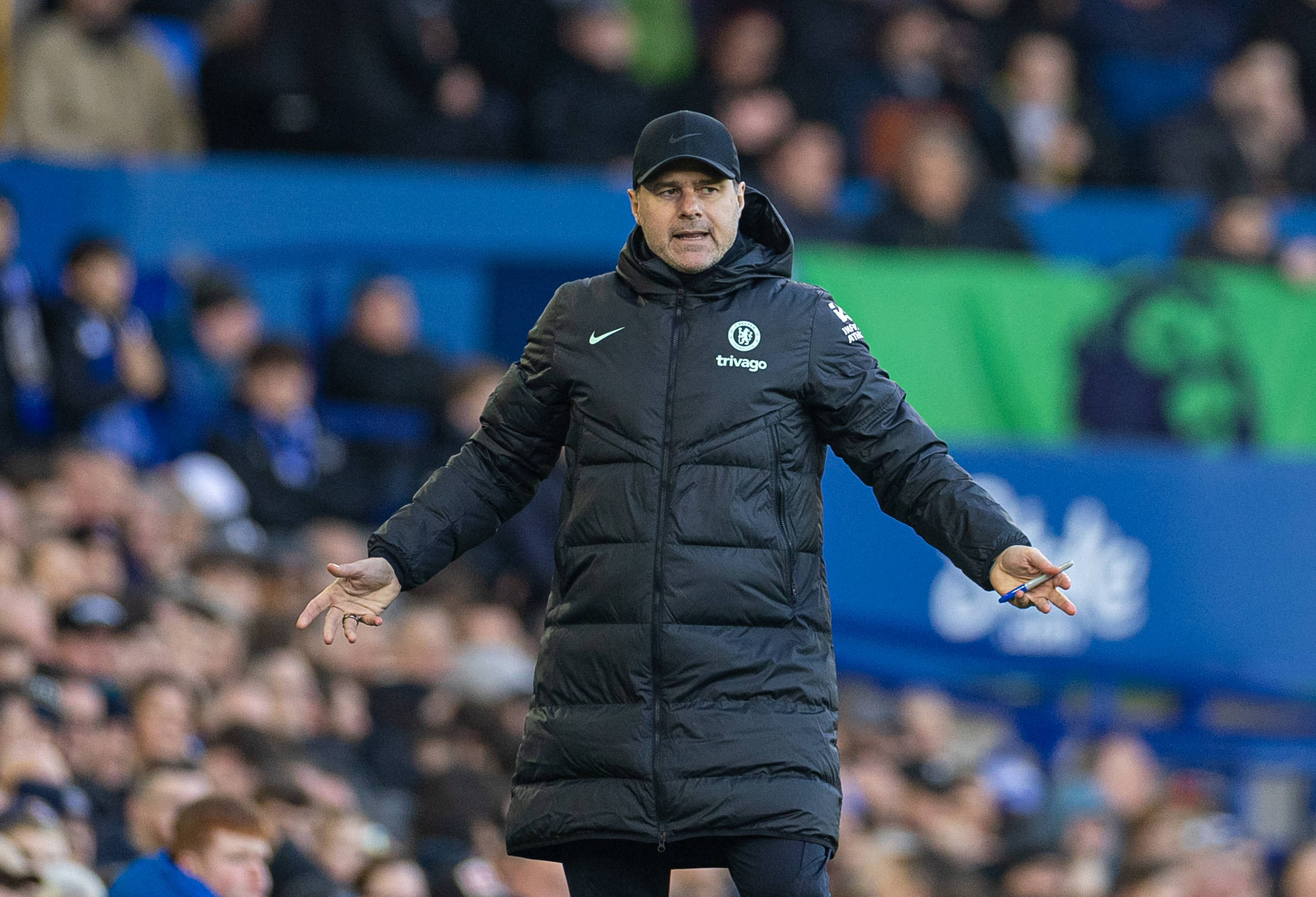
Mauricio Pochettino and Chelsea’s Transfer Window Tactics
In the bustling world of football, few subjects spark as much intrigue and speculation as the transfer market. At the heart of this whirlwind at Chelsea is Mauricio Pochettino, whose recent comments have thrown a spotlight on the strategic intricacies of player negotiations and management’s role within a top-flight club. “I am the coach, that needs to be my place,” stated Pochettino, underscoring his focus on coaching over contractual negotiations, particularly concerning Conor Gallagher, whose future at Chelsea hangs in balance amidst contract renewal talks.
Gallagher’s Uncertain Path
Gallagher, with only 14 months left on his contract, has been pivotal for Chelsea, notably scoring a last-minute winner against Leeds, offering a glimmer of hope for silverware and European qualification. Yet, Pochettino’s stance remains clear: “I cannot be involved in this. It’s only between the club and Conor that can make the deal.” His reluctance to delve into transfer dealings emphasizes a delineation of roles at Chelsea, despite the significant impact Gallagher’s departure could have on the team.

The Coach’s Creed
Pochettino’s reticence to engage in transfer discourse raises questions about the role of a head coach in player negotiations, a topic he addresses with a stoic “no comment.” His philosophy is straightforward – to focus on coaching and game-day decisions, leaving contractual matters to the club’s hierarchy. This approach is reflected in his relationship with the owners and sporting directors, characterized by open dialogue and mutual respect, aiming to foster an environment where on-pitch success is the primary objective.
Building for the Future
Despite the uncertainty surrounding key players like Gallagher and the challenges posed by injuries, Pochettino remains optimistic about the squad’s prospects. The absence of Reece James and the recent injury setback for Christopher Nkunku underscore the difficulties Chelsea faces in maintaining a fit and available roster. Yet, Pochettino’s hopeful outlook for players returning to peak condition illustrates his broader strategy of building resilience and confidence within his squad, aiming for long-term stability and success.
In conclusion, Mauricio Pochettino’s recent remarks offer a fascinating glimpse into the complex dynamics of football management at Chelsea. While the future of players like Conor Gallagher remains uncertain, Pochettino’s commitment to his coaching role and his strategic approach to navigating the challenges of the transfer market and injury crises highlight his dedication to Chelsea’s success. As the season progresses, it will be intriguing to see how these strategies unfold on the pitch, shaping the future of Chelsea in the competitive landscape of football.

