
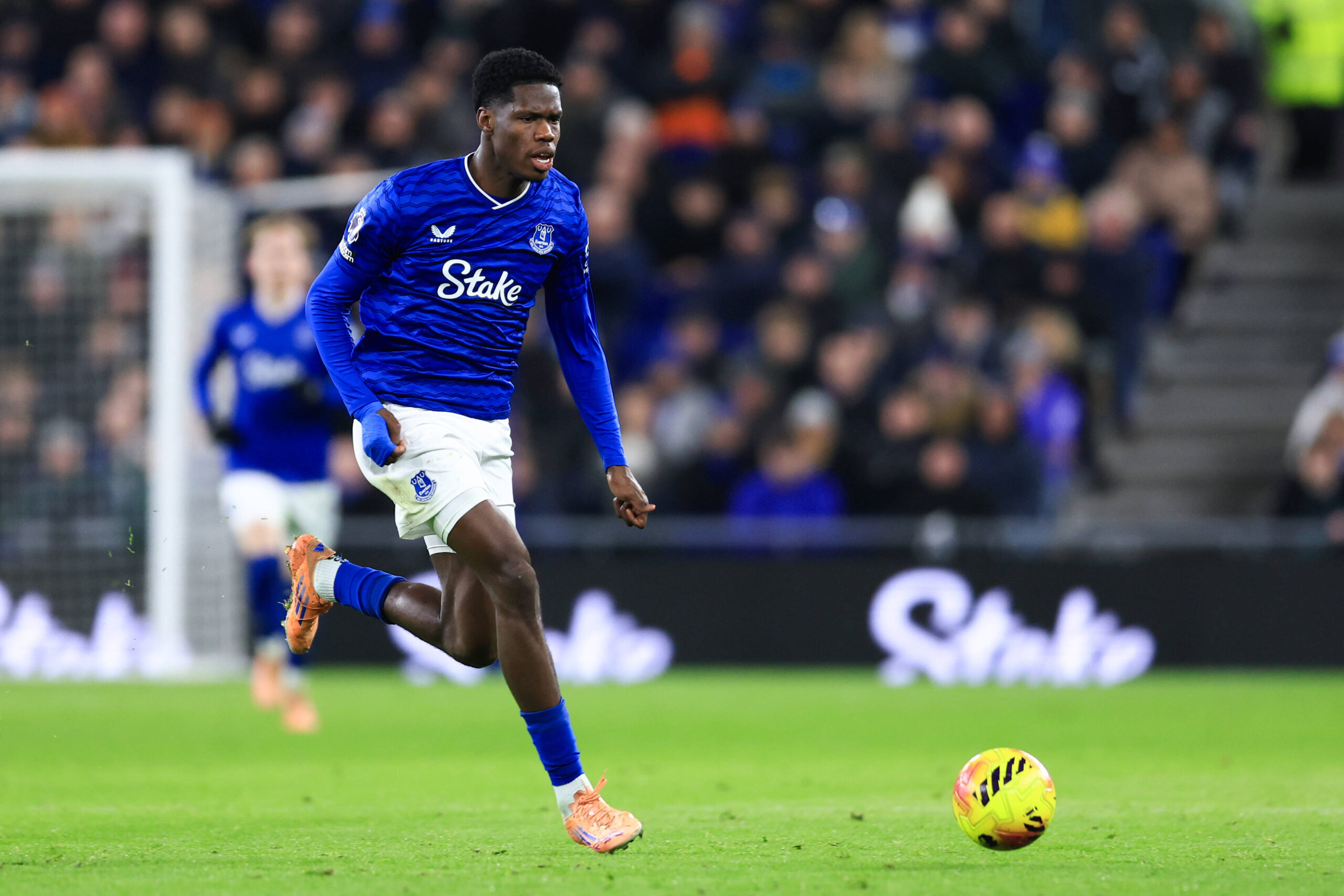
Counterattacking is not new. It is one of football’s oldest instincts, the quick punch after absorbing pressure. What feels new is how often elite teams choose it on purpose now. In an era of possession obsessions, counterattacks have returned like a classic jacket that suddenly looks expensive again.
Why The Game Pulled Back Toward Transitions
The counterattack is back in fashion because modern football keeps creating the perfect conditions for it. Teams press higher, build with more players, and stretch the pitch to open passing lanes. That also means more space behind the back line, more isolated defenders, and more moments where one lost duel becomes a runway.
That is why even a random moment can feel like chicken road 2 online game: one wrong step, one risky move, and the danger multiplies instantly. Transition football punishes hesitation the same way it punishes overconfidence. A team can dominate for ten minutes and still get hit once and concede.
Why Counterattacks Work Better Than Before
A big reason is structural. Many teams now attack with five or even six players on one line. Fullbacks invert, midfielders push, wingers come inside. It creates beautiful combinations, but it also creates predictable “exit points” for the defending team. Win the ball, find the first forward pass, and the whole attacking structure becomes a trap for itself.
The second reason is athletic and technical evolution. The average top-level winger today can carry the ball at speed while still scanning for runners. The average midfielder can play a first-time vertical pass under pressure. Counters are not only faster now, they are cleaner. Fewer wasted touches, fewer panic clearances, more intentional damage.
The New Counter Is Often Pre-Planned
Counterattacks used to be described like chaos. Now they look rehearsed. Many teams defend in a way that “stores” a counter. A winger stays slightly higher. A striker positions between center backs instead of chasing the ball. A midfielder keeps the body open to play forward immediately. The idea is simple: defend compactly, then escape with one sharp connection.
What Makes A Counterattack Deadly Today
Before diving into defense, it helps to name what makes modern counters so brutal.
The Counterattack Blueprint Top Teams Reuse
- early forward pass into the half-space
- third-man run to avoid the first press
- wide runner to stretch the retreating line
- central runner to attack the box at speed
- late midfielder arriving for the cutback
Counters look different on highlights, but the bones often match. The scary part is how quickly those bones appear after the ball is won.
How Top Clubs Protect Themselves From Counters
If counterattacks are the trend, top clubs have responded with a very specific kind of caution. Not boring caution, more like controlled aggression. They still attack with numbers, but they build “seatbelts” into the structure.
The first seatbelt is rest defense. This means the players left behind while attacking are not just standing around. They form a compact shape that can immediately delay the counter. Usually it is a 2-3 or 3-2 structure behind the ball, designed to block the first forward pass and force the counter wide.
The second seatbelt is counterpressing. The moment the ball is lost, the closest players swarm the ball carrier, not necessarily to win it instantly, but to kill time. A counterattack needs tempo. A good counterpress steals tempo.
The third seatbelt is smarter risk selection. Top sides still take risks, but not all at once. A fullback might stay deeper when the opposite fullback goes high. A midfielder may sit when the other midfielder joins the box. It is like alternating waves rather than sending the whole ocean.
Defensive Details That Decide Everything
The difference between “almost conceded” and “conceded” is often tiny. Elite teams coach those tiny moments hard.
How Elite Teams Defend Counters In Real Time
- first defender delays instead of diving in
- second defender covers the central lane
- nearest midfielder tracks the most dangerous runner
- goalkeeper positions higher to sweep space
- far-side winger tucks in to protect the back post
None of that sounds glamorous. That is the point. Counterattacks are flashy, counterattack defense is mostly unglamorous discipline.
Why This Trend Will Stay
Counterattacks are not a temporary fad. The modern game keeps pushing teams higher, faster, and wider. That creates more transition moments, not fewer. Even if possession stays popular, space behind the ball will remain the most valuable real estate in football.
The clubs that win consistently usually do two things at once: attack with enough structure to create chances, and defend with enough structure to survive the moments when the ball is lost. Counterattacks are back because the sport keeps rewarding speed, clarity, and ruthless timing. And top clubs keep protecting themselves the same way: not by fearing counters, but by planning for them like they are inevitable.

