
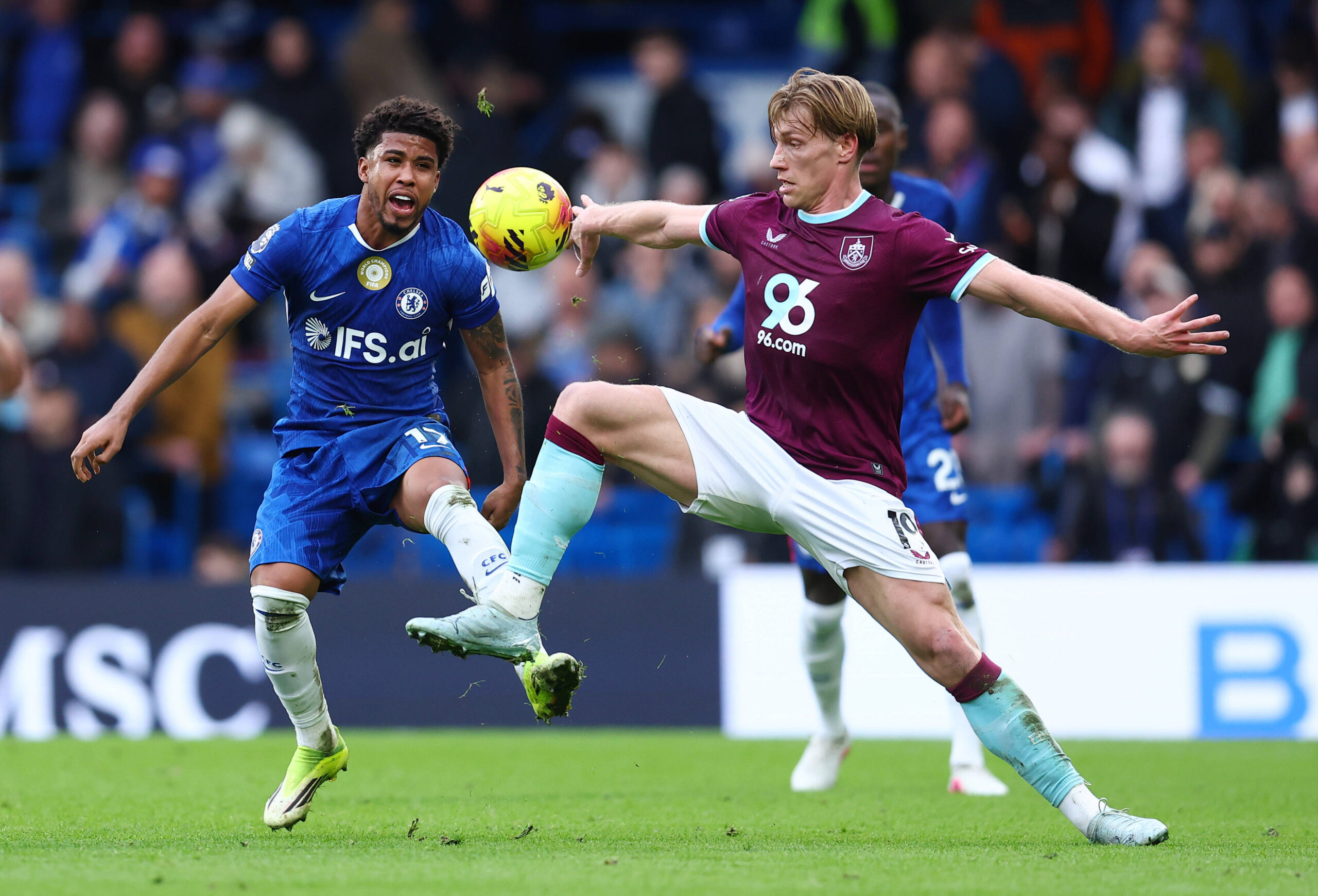
Premier League popularity is on the rise in a big way. That is not a shocker when taken at face value. Live sports are increasingly powerful. They are one of the few remaining bastions of appointment-previewing programming. Pro leagues, everywhere, are constantly growing inside their most popular markets.
Yet, not every sport is extending its reach beyond the usual parameters. Premier League football is the Goliath of all exceptions. Their latest broadcast rights deal is airtight proof.
The EPL has bagged a 25 percent increase over their previous broadcast agreement in South Africa and the Caribbean. You will immediately notice this isn’t the United Kingdom. It’s not even the North American market. Instead, it’s a pair of demographics often considered afterthoughts.
Evidence of the Premier League’s increasing cache doesn’t get much stronger than securing massive gains in marketplaces not necessarily considered growth industries. Sure, on many levels, the EPL is an endless well of growth. Like MyTopSportsbooks notes throughout its deep dive into the most popular and reliable soccer betting sites, the push to pique the attention and business of football fans is rabid across so many industries, because we are talking about a truly “global” product.
Still, it would be a stretch to say the Premier League was expecting this type of growth. In fact, it would be flat-out incorrect. Based on the initial reporting for this deal, it does not seem like even the most informed stakeholders could have predicted where the latest negotiations ended up.
The Numbers on the Premier League’s New Broadcast Deal are Staggering
While the raw numbers behind the Premier League’s international broadcast rights are jaw-dropping, they have also become essential to the sport’s continued expansion. As Matt Hughes of The Guardian explains, it can no longer bank on unchecked domestic growth:
“The 25 percent uplift in one of the Premier League’s biggest foreign markets demonstrates that the value of its TV rights overseas is still rising at a time when the domestic market is flat, or falling slightly. While the Premier League succeeded in gaining a slight rise in its UK deals with Sky Sports and TNT Sports, from £1.63bn a season to £1.67bn, in the new four-year deal which began last August, the growth was based on increasing the number of games available from 215 to 270. The per-game value of the rights fell by about 10 percent, which has led to the Premier League beginning discussions with the EFL about petitioning to have the 3pm Saturday blackout lifted in the next domestic broadcast cycle from 2029 onwards, which would enable it to sell all 380 of its matches each season.”
This information will vary depending on the individual. Some might view the flattening of domestic popularity as a problem for the Premier League. And look, this could be true—but only if the leveling off spans a longer period of time. Right now, the peaking of domestic broadcast rights is relatively new. It is also complicated by how decentralized consumption is through the United Kingdom these days. That can make it tougher to provide metrics on how many people are regularly tuning in, and thus how many eyeballs networks and streaming services can peddle to advertisers.
More than anything, it’s hard to be concerned about the state of the EPL in the UK when club valuations continue to trend in an upward direction. At the same time, even if you want to interpret this as an issue, it merely reinforces the value of the Premier League’s ability to captivate fans at an international scale. The flattening of domestic broadcast revenue can’t be too damning when other markets are showing noticeably more interest. And we are not just talking about the Caribbean or South Africa, either.
A Truer Measure of the Premier League’s Rising International Popularity is on the Horizon
If you are in search of an even more definitive verdict on the state of Premier League consumption, well, you needn’t much longer. One is coming.
The Premier League’s U.S.-based broadcast deal is slated to expire in 2028. NBC Sports currently pays around $441 million (£378m) per year to air EPL games on its various networks and streaming services. According to Hughes, the Premier League is hoping for a significant increase on this number in the next round of negotiations. Though this isn’t entirely clear, they might even be hoping to drum up a bidding war with other legacy networks when the time comes.
This could be considered presumptive on the EPL’s part. After all, they are first and foremost a league with UK roots. You don’t see the NBA or NFL counting on international broadcast deals to measurably inflate their bottom line.
But this brings us back to the “global” impact of football. It is the love language for Earth’s sports fans, and the EPL remains among the highest-end leagues on the planet.
Oh, and in case you didn’t know, the Premier League’s international broadcast rights already amount to more than what it makes off the UK market alone. Combine this with U.S. media companies recently ponying up fat fees to air the NFL, NBA and Formula 1, and if we had to guess, the EPL is headed for a record-setting payday in its next broadcast deal.

