
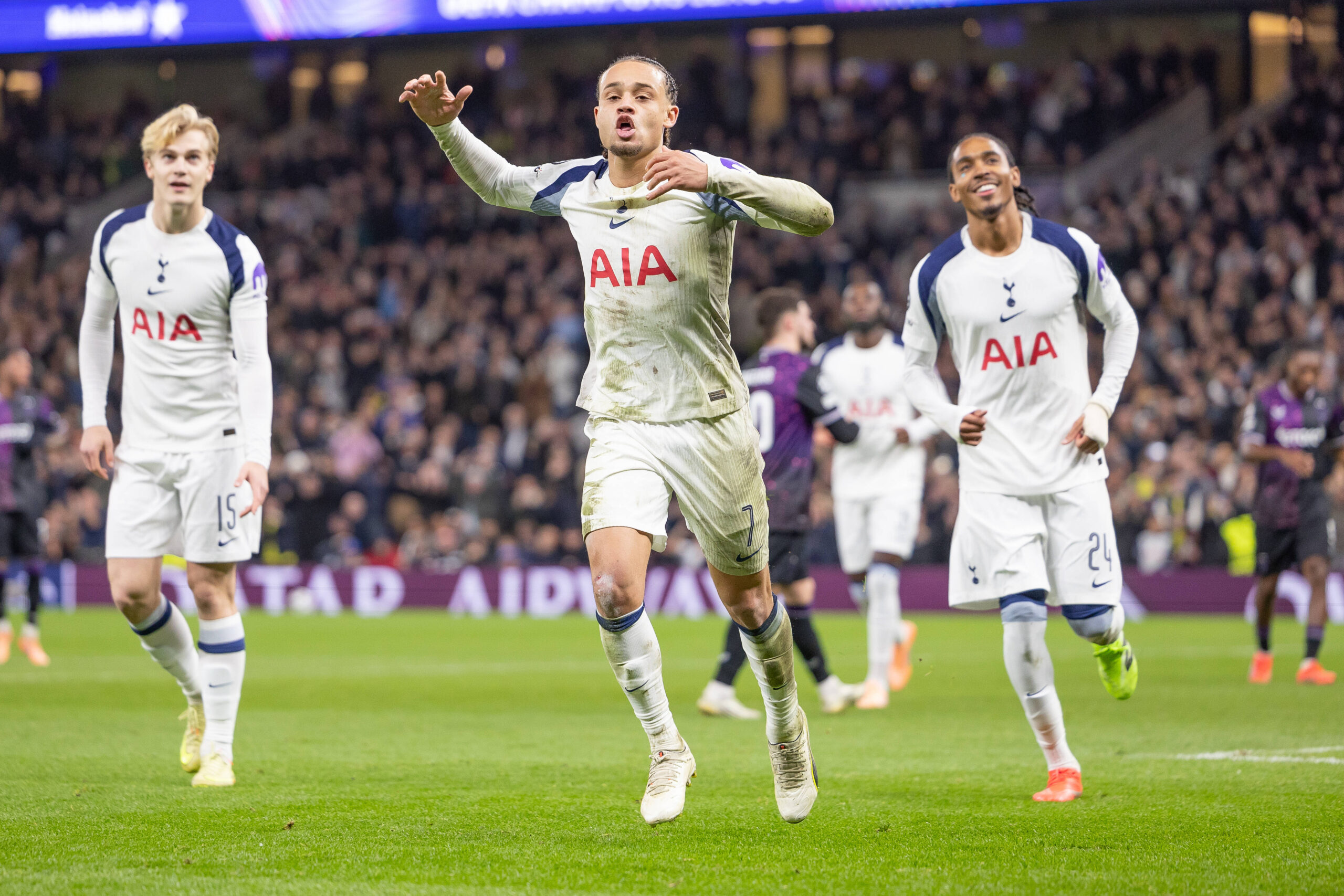
It seems genuinely unthinkable that a Deloitte Football League top dog could be facing relegation from the Premier League, with a hypermodern stadium and state-of-the-art facilities bolstering one of the largest wage bills in British sports. However, that is exactly the situation Tottenham fans have found themselves in heading into the crunch time of the season. Can Tudor stop the rot, or can one of the other relegation candidates make use of this unprecedented scenario?
What is going on at Spurs?
In a recent Guardian aritcle, it was said that Thomas Frank, “offered the illusion of extreme competence largely on the basis of having good hair,” and that “relegation needs to happen for Tottenham”. Whilst this may have been a stark look at Spurs’ current form, the article does highlight some valuable points about how Spurs’ focus on the new stadium and the arch-entertainment industry has distracted from the actual football product, especially from a squad-building perspective.
Post-Pochettino, you’d struggle to name a strong signing and except perhaps Antonio Conte, none of the Spurs managers really made it back to the big time, with a succession of lesser and lesser results masking bigger issues at the club.
As the squad continued to dwindle in quality, Postecoglou’s all-in play on the Europa League barely worked out, and the great irony is that three quarters of a season later, Manchester United look much better-equipped to handle the travails of the 2026/27 season.
Currently, it’s not clear where Spurs’ chances really stand. The bookies currently put Tottenham at around 9/4 to go down, but it’s certainly not an exact science. If you’re not quite ready to hedge your bets on Spurs actually going down, you might prefer not to jinx their luck and to enjoy some football-themed UK slots instead.
In scenarios like this, mentality matters almost as much as quality, and the lack of the former is clearly showing at Spurs.
The Atletico Madrid parallel, explained
Everyone believes a top club is too big to go down until it isn’t. It’s like the Hemingway quote about going bankrupt: first, gradually, then, suddenly. English football fans will no doubt think of Leeds, Nottingham Forest, Aston Villa, or even Sunderland as clubs that fell down the cracks in shocking fashion and many may argue that Spurs is too big to suffer the same fate. But let us remind you of what happened with Atletico Madrid in 1999/2000.
Claudio Ranieri – yes, him – resigned in the middle of the season with the club in seventeenth place, and despite making it to the Copa del Rey final, they failed to stay up. Fans reminiscing on the period say similar things as Spurs supporters report now: a loss of focus and mentality, everything going wrong, the players losing belief.
It took them two years to get back to La Liga and another twelve (and the astute work of Diego Simeone) to get back to the summit of Spanish football proper. Looking at the current crop of managerial and player talent at Spurs, you’d struggle to find anyone capable of leading them back to the limelight should the unthinkable happen in May.

