
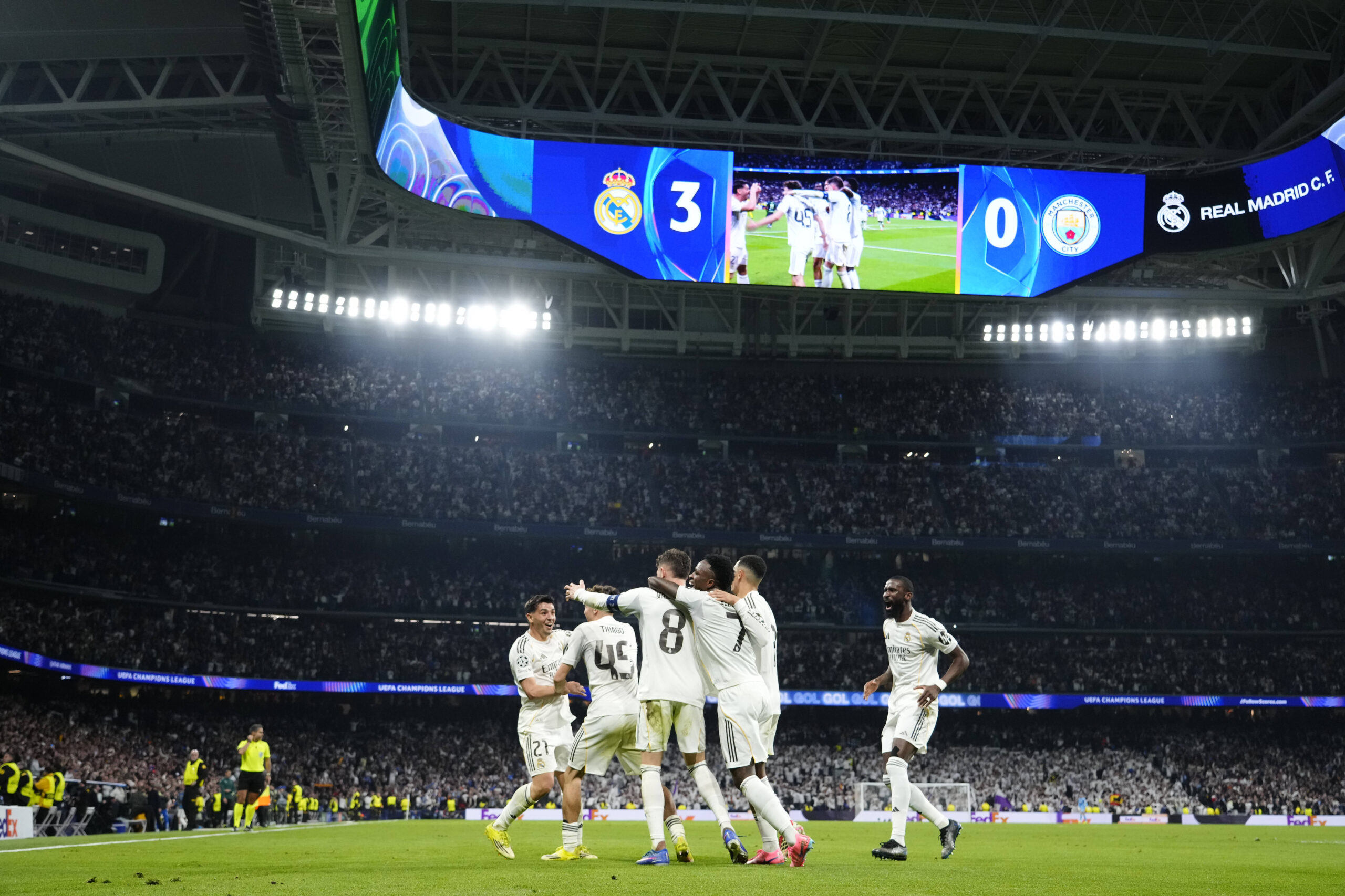
The quarter-finals of the Champions League always have a different pace. The games are more competitive, decisions take more time, and errors are more costly.
The balance of this season’s quarter-finals is very good. Real Madrid will play Bayern Munich, PSG will play Liverpool, Barcelona will play Atlético Madrid, and Sporting CP will play Arsenal. And before the first legs, the focus is on the details that can make the difference.
Access to reliable platforms also plays a role at this stage, especially when markets move quickly. Following odds through tools such as bizbet yasal mı can help track line changes and react more accurately before kickoff.
At this stage, betting is less about predicting winners and more about understanding how these matches tend to develop.
How quarter-finals usually play out
First legs are rarely open games. Teams avoid risk and focus on staying in the tie. This pattern has been consistent over recent seasons. Scoring is lower, tempo is more controlled, and most of the decisive action happens later, often in the second leg.
Because of this, goal markets for these games have to be approached carefully. The lower totals will generally do better in the earlier stages of the game, especially if it is a structured matchup. The game between Barcelona and Atlético Madrid is a good example of this, where discipline is far more important than attacking flair.
The home advantage is also seen in the first leg of the game. The team is far more comfortable and is able to control the game better. The team does not often lose any structure in the game. This is especially important for teams such as Real Madrid, which is always performing at a high level in knockout games at home.
Where the betting value appears
At this stage, broad markets become less reliable. The difference between teams is small, and matches are often decided by moments rather than sustained dominance.
Player-focused markets tend to offer more stability. Key attackers are more involved in decisive actions and take responsibility in critical moments.
Corners are another area where patterns remain consistent. Teams that dominate possession or face compact defenses usually generate steady pressure, which translates into higher corner counts.
At the same time, markets like both teams to score require more careful selection. Open matchups such as PSG vs Liverpool can support this angle, while more controlled games often do not.
In practical terms, it helps to focus on:
- player props for key attackers (goals, shots on target)
- corner markets in possession-heavy matchups
- selective BTTS in open, attacking games
- lower goal totals in cautious first legs
What changes after the international break
Liverpool, Arsenal, Bayern, and Real Madrid are some of the teams that have a large number of players involved in the national team setup. The players return after playing heavy minutes, and this is when the pressing intensity and overall game speed seem to dip. As a result, the early phases of matches tend to be more controlled. Fewer transitions and fewer chaotic moments shape the first half.
Why live betting becomes more important
Pre-match analysis only gives part of the picture. The most important shifts often happen during the game.
Substitutions, tactics, and momentum swings are the hallmarks of these contests. The most lucrative opportunities seem to come after the 60th minute of a game, and this is when teams are required to react.
Using live tools such as bizbet during this phase helps track odds in real time and identify moments when the market reacts slower than the game itself.
Markets like next goal, second-half totals, and cards become more relevant as the match opens up. Preparation matters here. Having a clear idea of what to watch helps avoid reactive decisions.
Managing risk across two legs
Quarter-finals should not be treated as isolated matches. The context of the tie always matters.
A team can stay conservative in the first leg and become far more aggressive in the second. Early results do not always reflect the true balance between sides.
Thinking in terms of the full tie helps avoid overreaction. In some cases, long-term markets like “To Qualify” offer a more accurate reflection of team strength over two matches.
How Quarter Finals Actually Play Out
Quarter-finals are not about action; quarter-finals are about control, structure, and timing. Matches are often balanced longer than they should be. The real changes occur when the pressure is on, when teams are forced to make decisions. The patient approach, together with an understanding of patterns, is the way to make the right decisions.

