
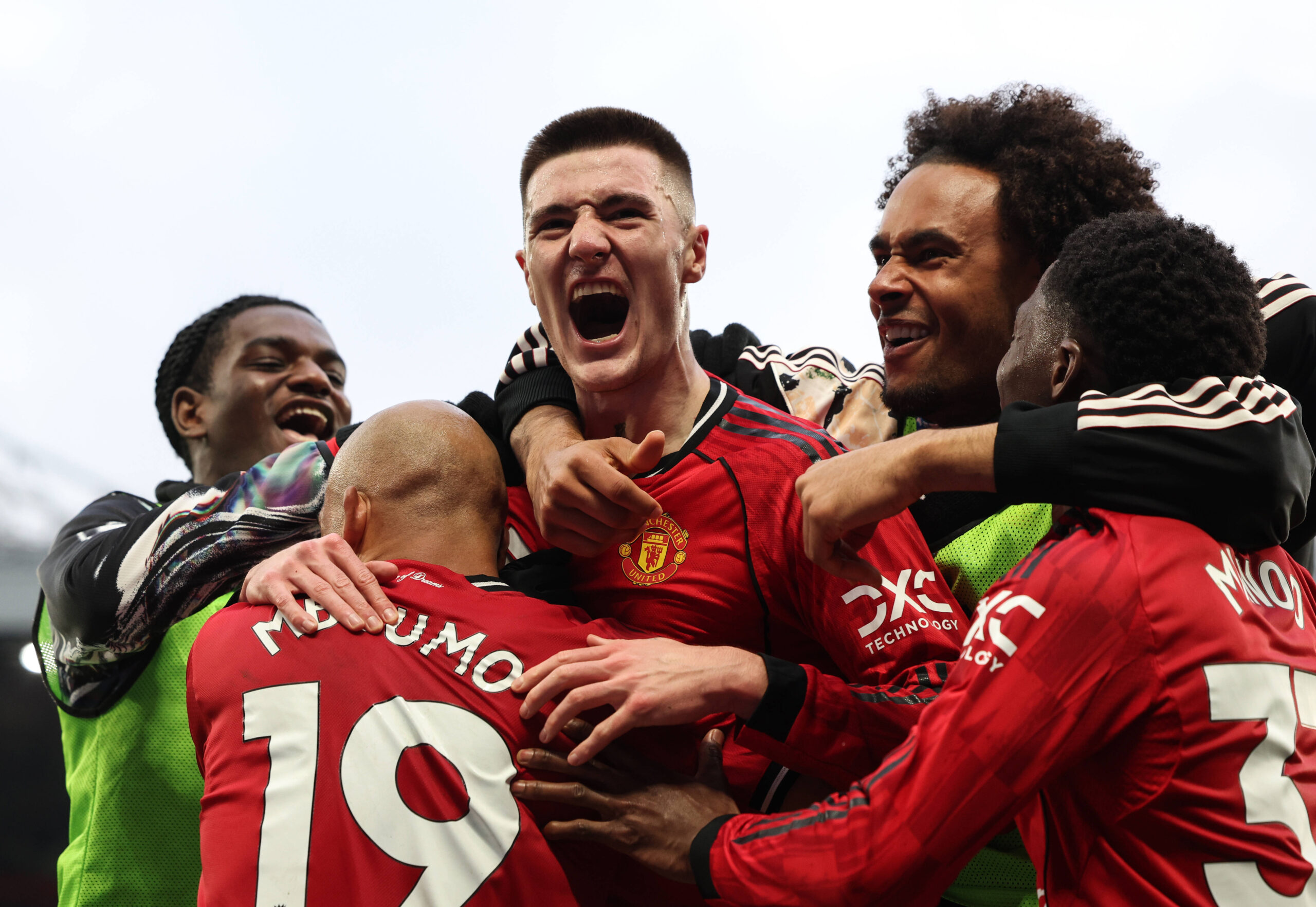
Through most of the Premier League era, the matchday routine stayed basically the same. You’d meet at the pub a couple of hours before kick-off, work through three or four pints by the time you walked to the ground, grab another at half-time, and likely carry on after the whistle. Regardless of the result, the drinking pattern held. Part of the furniture of English football culture, right alongside the chants on the terrace.
Something’s shifted though. Not everywhere, not for everyone, but noticeably across pockets of fan culture in the past five or six years. Premier League supporters – particularly younger ones, but plenty of older regulars too – are rethinking what they actually want from the matchday drink. No one’s saying the pint’s going anywhere. What’s happened is that it now sits on a table with plenty of company, and the reasons driving that change are worth getting into.
Why Fans Are Changing the Formula
A handful of things landed at the same time. Pint prices inside most Premier League grounds have drifted up to £7 or £8, with some London clubs now pushing closer to £9. Pubs in the surrounding streets hike their prices on matchday too, well past what you’d pay on an ordinary Tuesday. When a ticket alone runs £80-plus before travel and food factor in, fans get fussier about where every extra tenner lands.
The hangover question weighs in as well. Premier League kick-offs are scattered across the week now – Saturday lunchtime, Sunday afternoon, Monday night, Thursday Europa, the occasional Friday. For anyone with a job, a family, or both, drinking heavily through a 12:30 Saturday kick-off is a different proposition to a 7pm Friday fixture. The reality of Monday morning has a way of reshaping pre-match choices.
UK drinking trends more broadly also feed in. Gen Z is pulling back on alcohol at a real clip. Sober-curious isn’t fringe anymore; it’s sitting comfortably in the mainstream. Low and no-alcohol beer used to get laughed at. Now Lucky Saint, Athletic Brewing and BrewDog Punk AF are stocked in pubs across the country, matchday pubs included.
None of this means the matchday pint is dying. It means the matchday drink has broadened.
What Fans Are Reaching For
Running through the options that have genuinely built traction over the last few years.
Non-alcoholic beer and lager is the biggest category by a stretch. Lucky Saint has led most of the UK conversation here, but there’s barely a brewery left without a 0% or 0.5% version on the menu. Quality has come on massively – the gulf between what was on offer five years ago and what’s poured now is huge. For fans who want the ritual of the pint without the three-pint momentum, this has become the default alternative. Pubs around most Premier League grounds now stock at least one genuine non-alcoholic option.
Craft beer in lower ABV formats – session IPAs and lagers in the 3.5% to 4% range have taken over where the pre-match pint used to sit comfortably at 5% or above. Same enjoyment, slower build. Fans who want to actually remember the match are increasingly choosing these.
Alcohol-free cocktails and low-ABV mixed drinks – mostly in London and Manchester, but spreading. Seedlip, Lyre’s, and similar non-alcoholic spirits have made this genuinely viable.
Functional drinks and wellness shots – here’s where it gets more interesting. Functional drinks have exploded as a category in the UK over the last few years, and some of that wave has worked its way into matchday habits. Ginger shots. Kombucha. Nootropic blends. And over the last year or two, kratom shots have started turning up in conversations among adult fans wanting something that feels calm and sociable without involving alcohol. Producers pushing into this space tend to sell on the standardised-dose angle – the active kratom alkaloids (mitragynine and 7-hydroxymitragynine) measured out in a fixed amount per serving so the feel stays predictable. Whether it belongs in matchday culture is a fair argument, and people will land on different sides of it. But it’s happening, and mostly among fans who’ve scaled back the drinking but still want something to take the edge off before kick-off.
Proper coffee – particularly for Saturday lunchtime kick-offs. Specialty coffee has pushed out across UK cities to the point that most Premier League grounds now have a decent cup within ten minutes’ walk. More fans are using the pre-match window for a flat white instead of a pint, and you see it clearly in London, Manchester, and Liverpool.
The Psychology of the Matchday Drink
Part of why the pint became so entrenched in English football culture has nothing to do with alcohol specifically. It’s about the ritual of shared anticipation – meeting mates, settling into a pub, talking through team news, building up to kick-off together. The drink is the prop, not the point.
Which is why the shift away from heavy drinking hasn’t killed matchday ritual. It’s just loosened the definition of what can sit in the middle of that ritual. A proper coffee shared with mates carries the same social weight as a pint if that’s how the group uses it. Same goes for a non-alcoholic beer, a functional drink, or anything else that keeps people at the table together.
The fans most resistant to this shift tend to be the ones who equate the alcohol itself with authentic football experience. That’s a defensible position. But it’s not the only one, and the culture has enough room for both.
What the Clubs Have Noticed
Premier League clubs have genuinely clocked this shift. Go to any ground now and the non-alcoholic shelf is several times deeper than it was three seasons back. Arsenal, Tottenham, City and Liverpool all run multiple 0% beers behind their stadium bars as a matter of course. Matchday hospitality packages have broadened their drink options considerably.
Some clubs have also started paying more attention to the coffee offering around grounds, partly because matchday attendance skews increasingly toward older supporters who want good coffee before a game more than they want a pint. It’s a small shift, but a visible one if you pay attention to what’s appearing around the ground compared to ten years ago.
The Long-Term Picture
English football culture has always adapted. The post-war terrace era and its standing-up pints bore almost no resemblance to the corporate-box Premier League that followed, and neither of those looks much like where matchday culture is heading now. The pre-match drink is just one of many things shifting, and that shift follows bigger changes in how the country drinks, socialises, and looks after itself.
What hasn’t changed is the central appeal of the matchday ritual itself. Meeting your people before the game. Talking it through. Walking to the ground with a bit of nervous energy and whatever’s in your hand. That framework survives whatever fills the glass. The fact that more fans now have genuine alternatives to the traditional pint – and are choosing them – isn’t a loss for football culture. It’s just football culture continuing to do what it’s always done.

