
Chelsea transfer latest as Xabi Alonso reshapes squad amid huge spending and major sales push
Chelsea’s summer has become a study in ambition, risk and ruthless squad management, the kind of transfer window that tells you as much about a club’s internal confidence as it does about its public strategy. According to The Athletic, Stamford Bridge has seen another surge of activity, with new arrivals, unresolved exits, financial pressure and a manager determined to trim the bloated edges of his squad before the serious business begins.
The broad picture is striking. Chelsea have already moved aggressively in the market and, as The Athletic reports, their “£217million net spend so far is remarkable given they are up against a UEFA settlement agreement and have no Champions League football to bolster revenues this season.” It is an arresting line, and it captures the scale of the gamble. Chelsea are spending like a club determined to force their way back among the elite, while simultaneously trying to satisfy the accounting realities that govern the modern game.
That tension will define the rest of their window.
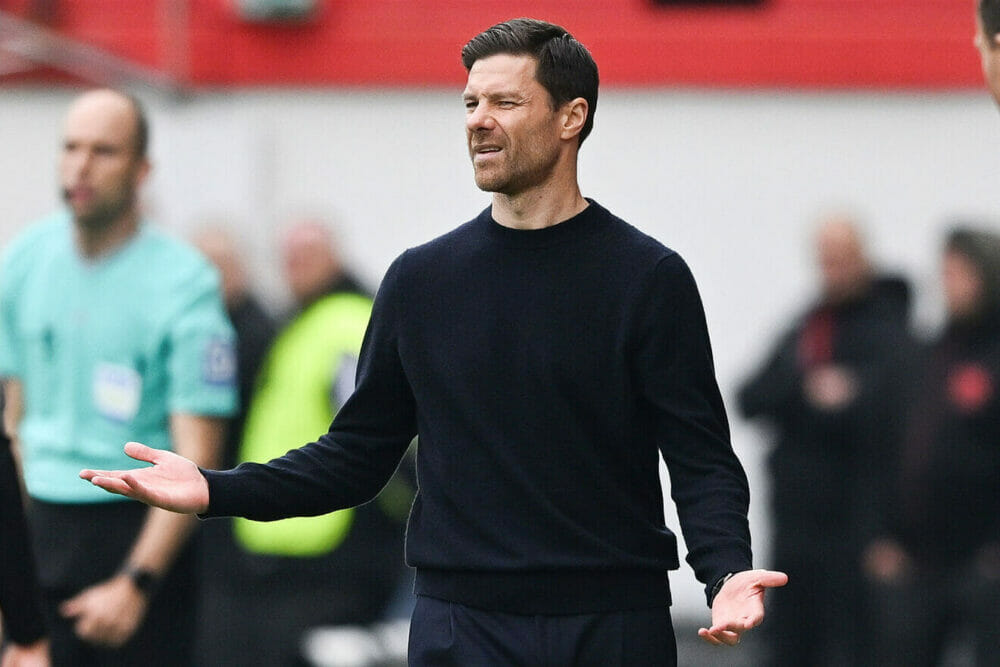
Chelsea transfers signal another bold reset
This week brought official confirmation of four additions. Chelsea announced the signings of Maxence Lacroix, Danny Welbeck, Valentin Barco and Jordan Henderson, a quartet that spans present need, experience and squad flexibility.
Lacroix is perhaps the most eye-catching. The centre-back has completed a “£52million move from Crystal Palace” and signed for six years, the sort of long-term commitment Chelsea have come to favour. He arrives with a reputation for athleticism and recovery pace, assets that matter greatly for a side expected to defend high under Xabi Alonso. His arrival also says something simpler, Chelsea still believe in investing heavily at the back, even with a crowded stable of defenders already on the books.

Welbeck is a more nuanced signing, one likely to invite debate but also one with clear football logic. The Athletic notes that the move from Brighton was completed in time for him to meet the squad in Hong Kong, with the 35-year-old signing through to 2028. For a club often associated with youth, upside and resale value, this is an unusually mature move. Welbeck brings know-how, movement, professionalism and a reliable understanding of Premier League demands. At his age he is not a long-term answer, but Chelsea do not require every signing to be one. Some need to stabilise a dressing room and offer trustworthy minutes.
Barco has finally followed a route long expected, arriving from Strasbourg, while Henderson’s move had a sense of inevitability after Brentford confirmed his departure as a free agent. Those deals point to the practical needs of a squad still being rebalanced. Chelsea are collecting options, but the decisive phase of this summer lies in what happens next, and especially in who leaves.
Squad overhaul depends on Chelsea sales
The most revealing section of The Athletic’s update concerns not who Chelsea are buying, but who they must now move on. In modern transfer windows, squad-building is often less about fresh arrivals and more about successful subtraction. Chelsea’s challenge is enormous.
As reported, “new manager Xabi Alonso has confirmed he wants a maximum of four or five centre-halves to work with”, and Chelsea currently have 10 senior players in that area. That sentence alone tells you why this window is entering a critical phase. This is no longer about speculative market opportunism. It is about turning a crowded squad into a workable one.
Trevoh Chalobah is heading towards the exit, with The Athletic reporting that “Como have agreed a deal to buy Trevoh Chalobah. He will join them for €36m.” There is emotional weight here. Chalobah is homegrown, composed and, at various points, useful to Chelsea. Yet this ownership model has rarely been sentimental. If a sale helps clear space and improve the balance sheet, it tends to happen.

The centre-back cull is expected to continue. “Benoit Badiashile is up for sale at £30million,” while “Axel Disasi can go for £25m.” Mamadou Sarr is expected to head out on loan, and Aaron Anselmino may do the same. Chelsea’s defensive department has resembled a property portfolio at times, abundant in volume but uncertain in coherence. Alonso’s insistence on reducing numbers is sensible and overdue.
There is similar congestion in attack. The Athletic writes that “Chelsea now have six strikers in the senior squad following Welbeck’s transfer, and they intend to have half as many going into the season.” Again, the language is revealing. Intend. Not hope, not consider. Intend. The club know the squad is overloaded and, if they are to function with clarity this season, decisions have to be made swiftly.

Joao Pedro, significantly, is staying and “is being given a new deal”. Others are far less secure. “Liam Delap is one of the players most likely to go.” Nicolas Jackson “is valued at £65m”, with Aston Villa among the admirers, and “the asking price for Marc Guiu is £25m.” Emmanuel Emegha, meanwhile, “is not assured of his role yet.” This is a reminder that Chelsea’s attack remains in flux, despite the volume of options. Quantity is no substitute for hierarchy.
The financial imperative is plain too. Selling, as The Athletic explains, “is also important to comply with financial rules. Chelsea are confident they will make over £300million in outgoings come the deadline next month.” That is an enormous target, and one which tells you this is no ordinary balancing exercise. It is a strategic necessity.
Mudryk return adds intrigue to Xabi Alonso plans
One of the most intriguing subplots concerns Mykhailo Mudryk. The Athletic reports that “Mykhailo Mudryk was given permission to resume his football career at Chelsea after his doping case with the Football Association was resolved.” It adds that “there have been multiple enquiries from clubs elsewhere, now that he is able to play again” and that no final decision has yet been made on whether he stays with the first-team squad, departs on loan or is sold.
Mudryk has long been one of the most fascinating players at Chelsea, thrilling in theory, elusive in practice. The raw pace, the electric change of direction, the occasional blur of promise, all remain. So too does the sense that his Chelsea career has been suspended between possibility and frustration. His return now presents Alonso with a delicate choice. Does he attempt to harness that talent in a more structured environment, or does the club decide that the cleanest solution is an exit while interest exists?

There is footballing intrigue here because wide players often flourish or fade based on tactical clarity. If Alonso believes Mudryk can be coached into a more disciplined and decisive attacker, then there may yet be a chapter to write. If not, Chelsea may see this as the ideal moment to cut their losses and move on.
Elsewhere, the goalkeeper department remains worth watching. Reports linking Chelsea with Porto’s Diogo Costa have been “downplayed”, while Teddy Sharman-Lowe and Gaga Slonina are competing for the third-choice role. Filip Jorgensen has already left the pre-season tour to finalise a move away, with Strasbourg a possible destination on loan. It is another example of Chelsea’s networked squad planning, using affiliated pathways to place players where they can develop or retain value.
Chelsea financial pressure sharpens every decision
No analysis of Chelsea’s window can ignore the wider compliance picture. The Athletic reports that the Football Association has fined the club “£10million” and issued “a suspended two-window transfer ban for rules breaches connected to agents and third parties during the Roman Abramovich ownership era.” The offences took place between 2011 and 2018, but the aftershocks are arriving now.
That backdrop matters. So too does the UEFA settlement agreement hanging over the club. Chelsea are operating with heavy scrutiny and reduced room for error, particularly without Champions League income. That is why every incoming has to be matched against plausible outgoings, and why players previously considered integral are now described in cooler, more transactional terms.
Even names such as Pedro Neto, Malo Gusto and Enzo Fernandez come with caveats. The Athletic states that all three “are all appreciated by the club but have been left off the ‘not for sale’ list.” That is not an invitation to panic, but it is a signal of modern Chelsea realism. There are favourites, but very few untouchables.
As for further additions, left-back remains a live issue. “Chelsea remain in talks with Rayo over Chavarria,” and the 28-year-old continues to be their leading target in that role. Other options exist, but Chavarria has been the main focus for weeks. It is a useful clue to Alonso’s priorities. Full-backs are central to how many elite modern teams function, and Chelsea appear intent on refining that area before the window closes.

What emerges from all this is a club still moving at speed, still taking big financial swings, still convinced it can outmanoeuvre the market through volume, assertiveness and timing. Yet there is a sterner note now. The mood is less scattergun, more corrective. Alonso appears to want fewer players, clearer roles and a more manageable dressing room. That in itself may be the most important development of all.
Chelsea have bought heavily. They have also reached the point where smart selling will determine whether this summer is judged as bold or merely expensive. The final month, then, is likely to be less about glamour and more about discipline. At a club where noise is rarely absent, that may be the most telling shift.
Our View
From a Chelsea supporter’s perspective, this report is fascinating because it feels like the first time in a while that there is a proper sense of squad control trying to emerge from the chaos. The spending is huge, of course, and seeing “£217million net spend so far” beside “no Champions League football” does make you raise an eyebrow. But there is also something encouraging in Alonso being clear that he only wants “a maximum of four or five centre-halves to work with”. That sounds like a coach with standards, not a head coach willing to drown in numbers.
There is intrigue around Welbeck too. Plenty will scoff, but Chelsea have often looked like a young side crying out for experience, composure and intelligent movement. He could help more than people expect. Lacroix feels like a proper statement signing, while Mudryk’s situation is the wild card. If Alonso can unlock him, Chelsea suddenly have a frightening option. If not, it may be time to part ways.
The biggest issue is sales. Supporters have heard before that big exits are coming, but “Chelsea are confident they will make over £300million in outgoings” is an enormous claim. If they manage that and trim the squad properly, the whole project starts to look more coherent. If they do not, then the same old questions about excess, waste and planning will return very quickly.
For now, there is enough here to be intrigued. This still feels like a club in transition, but perhaps one finally edging towards a more serious football structure.
Source: The Athletic
