
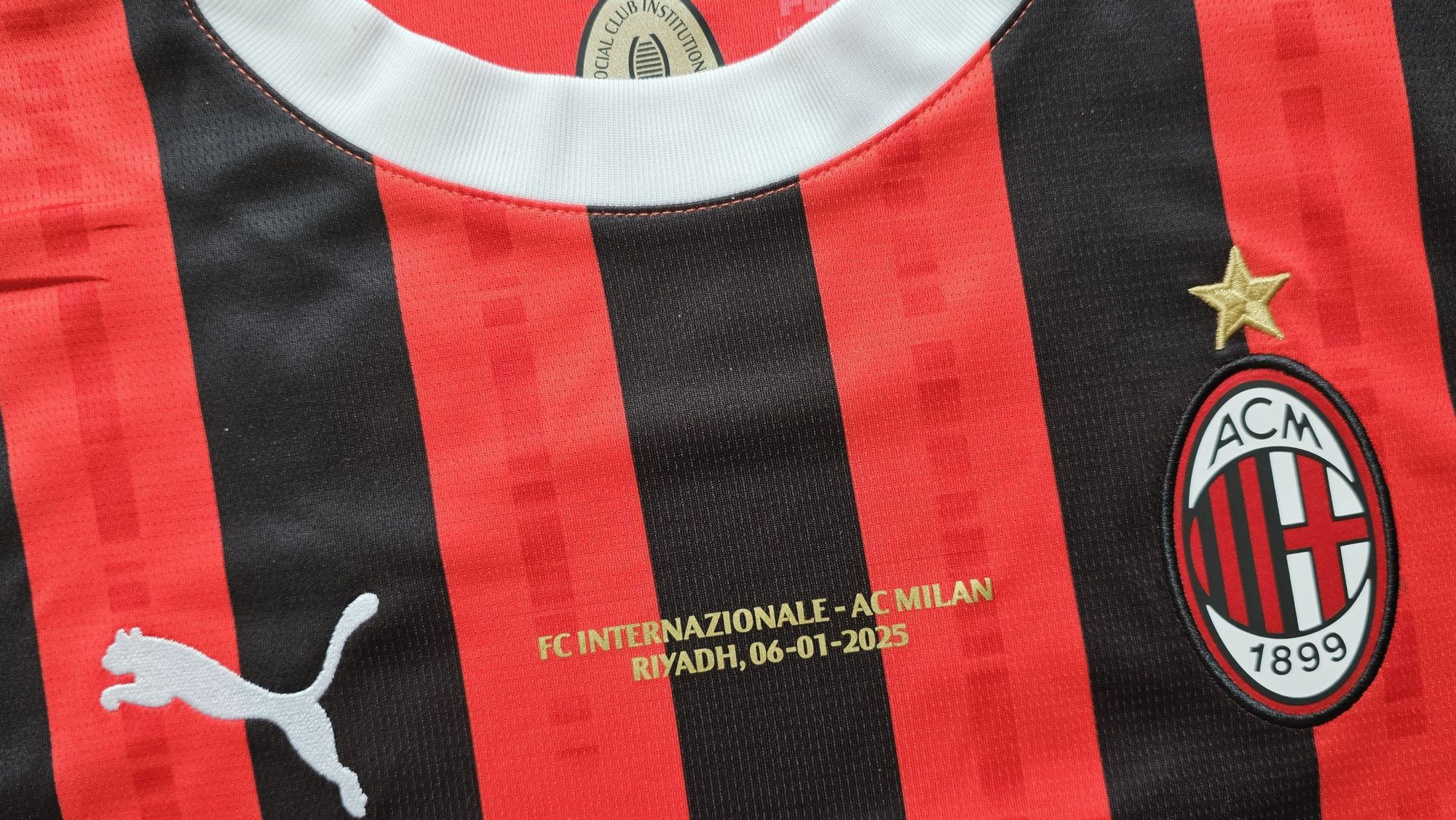
The shirt is prime advertising space, and clubs worked that out long before the rules let them use it. For grassroots sides the same logic still holds. A local sponsor’s name on a set of custom football kits can cover a season’s costs. What follows is how that arrangement, now worth hundreds of millions at the top, began as an act of quiet rule-breaking.
The stag that beat the ban
In 1973 Eintracht Braunschweig were a proud old Bundesliga club in financial trouble. They had won the German title in 1967, but the money had gone, and they needed a way out. Günter Mast, the boss of local liquor producer Jägermeister, offered a lifeline: a large fee to put his company’s name on the club’s shirts.
There was one problem. The German FA banned shirt advertising outright. So Mast found a gap in the wording. The rules said clubs had to wear their own crest, but said nothing about what that crest could be. Braunschweig’s members voted to replace the club’s historic lion badge with the Jägermeister stag, the same antlered logo that sat on the liquor bottle. The advert was now the crest, and the crest was allowed.
The German FA was furious and told referees to refuse to start any match where Braunschweig wore it. The dispute dragged on for two months before the club won. When Braunschweig finally took the field against Schalke on 24 March 1973, the referee had to measure the badge before kick-off to check it met the size limit the FA had managed to impose. The stag stayed. Other clubs saw the money roll in and the ban collapsed within a year. One firm had turned a football club into a billboard, and football has never gone back.
Kettering Town, the English pioneers who got nothing
Three years later the idea reached England, and again it came from the bottom rather than the top. The club that did it was Kettering Town of the Southern League, a world away from Liverpool or Manchester United.
In January 1976 the club’s chief executive, former Wolves striker Derek Dougan, signed a four-figure deal with a local firm. On 24 January, Kettering ran out against Bath City with “Kettering Tyres” printed across their shirts, the first British club ever to wear a sponsor. The Football Association reacted within days, ordering the name removed and threatening a fine of £1,000. Dougan argued the FA had never actually put its ban in writing, but the club backed down.
Kettering did not give up on the idea. Alongside Derby County and Bolton Wanderers, they pushed the FA to change the rule, and in June 1977 it did. Here’s the cruel part. By the time sponsorship was legal, Kettering Tyres had lost interest, and the club that started it all could not find a sponsor of its own. The pioneers got the credit and none of the cash.
How the big clubs cashed in
Once the door was open, the money followed fast. Hibernian became the first top-level British club to wear a sponsor in the 1977/78 season. In England the honour is usually handed to Liverpool, who signed a deal with Japanese electronics firm Hitachi worth a reported £50,000 a year for 1979/80.
Even that “first” comes with an asterisk. Liverpool’s opening game of the season was delayed, so it was actually neighbours Everton, wearing Hafnia across their chests, who ran out in a sponsored shirt in a league match first. The Merseyside derby that October may have been the first English league game where both sides carried a sponsor’s name.
The early deals came with odd restrictions that show how nervous the game still was. Sponsors could not appear in televised matches or in cup competitions, the exact games with the biggest audiences. Clubs were selling advertising space while being told to hide it whenever anyone was watching. Those rules faded over the 1980s, and by the 1990s a bare shirt looked strange rather than pure. Sharp on Manchester United, JVC on Arsenal, Crown Paints on Liverpool. The names became as much a part of the kit as the colours.
The same deal, on a Sunday morning pitch
Strip away the numbers and the arrangement has not changed since Braunschweig. A business wants its name seen. A club needs money it cannot raise on its own. The shirt sits in the middle and solves both problems at once.
That trade works exactly the same at grassroots level, where the sums are smaller but the maths is friendlier. A local garage, a builder or a pub puts its name on a club’s shirts, and in return the club can afford a proper set of kit for the season. The sponsor gets seen every week by everyone at the ground and everyone the players walk past on the way there. Nobody needs a Bundesliga crowd for that to be worth doing.
If your club is chasing that kind of deal, the shirt has to be worth putting a name on. A consistent, well-designed kit gives the sponsor better visibility and gives the club a more professional identity. A well-made set of custom kits, with room designed in for a sponsor’s logo and a look the club is happy to wear for years, turns a shirt into something a local business actually wants to be part of. Braunschweig proved the shirt was worth money in 1973. Fifty years on, even the smallest club in your league can put the same idea to work.

