
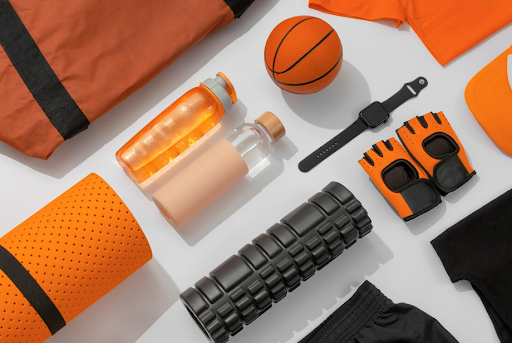
Every week, people around the world dress in the colors of their favorite sports teams. Many buy replicas of the jerseys their idols wear. Making a purchase like that seems simple, but it is part of a very profitable system in the business world called sports merchandise licensing. Whether it be in America or in other parts of the world like Europe and the Middle East, sports licensing is about prestige and consumerism. It gives sports teams the opportunity to profit from the admiration their fans show them. Sports teams are able to convert their fans’ loyalty into profit by selling merchandise.
There are many different partnerships in the sports world, including broadcasting, sales, and sponsorships. Many big sports franchises have partnerships with large international betting and digital sports companies. Many people in Oman who enjoy European football make bets based on the odds and games that Melbet, a sports betting company and entertainment platform, offers. These partnerships and mergers of sports media, betting, and official fan merchandise give companies the right to sell jointly endorsed merchandise.
In general, licensing is the legal process by which a property owner (licensor) allows a third-party manufacturer (licensee) to produce and distribute products under the owner’s protected trademarks. Athletic organizations are great at putting on events, but they usually don’t run textile mills or control international freight networks. Sports organizations can grant manufacturing partners the right to distribute their intellectual property and no longer have to worry about industrial risks, inventory, and supply chain distribution.
Contractual Mechanics: Royalties, Exclusivity, and Retail Rights
Merchandising contracts have changed from just involving apparel. They now include digital resources that can be accessed on the supporter’s personal devices. Supporters can now engage with their club by making purchases of official merchandise and making live, in-play predictions all on the same integrated screens. For example, supporters of the Melbet app can engage in sports betting during international tournaments by using the app to make predictions and place bets. The app also provides supporters with an interactive mobile interface to access real-time sports data and betting markets. Sports franchises have adopted this same method of merging digital resources and sports merchandise to give their audiences, who are usually difficult to please, what they want.
The major component of any merchandising agreement is the economic structure of royalties and guarantees. Sports organizations stake a royalty claim on the net wholesale revenue of the merchandise, which is usually between eight percent and fifteen percent. To protect the balance sheet of the sports organization, all contracts contain a Minimum Guarantee (MG), which is the lowest amount the licensee will pay, regardless of the merchandise sold. Additionally, contracts contain strict limits on geography. A sports merchandise manufacturer may gain the exclusive right to retail the merchandise within the Gulf Cooperation Council, ensuring they do not compete against themselves for the merchandise within that region.
| Licensing Model | Typical Product Scope | Revenue Structure | Key Operational Benefit | Primary Commercial Risk |
| Master Apparel License | Official match kits, training gear | High guarantee, 10–15% royalty | Global manufacturing scale | Reliance on a single partner |
| Category-Specific License | Headwear, school supplies, novelty items | Tiered royalty rates | Deep localized market saturation | Administrative burden |
| Digital & Virtual Rights | Mobile assets, avatar skins, e-trading | Crypto-based royalty shares | Negligible inventory cost | High digital asset volatility |
Every licensing agreement contains a set of key contractual provisions to protect a brand’s interests, including:
- Territorial Restrictions: Provision of specific boundaries within which the licensee is allowed to sell the product to prevent gray market exports.
- Quality Control Provisions: Inclusion of mandatory quality control checkpoints at which the licensee is required to approve the production samples.
- Minimum Guarantee (MG): Setting of a minimum level of royalties to be guaranteed, up-front protection of the team.
- Audit and Inspection Rights: Licensor’s right to conduct audits of the contracted manufacturer to review the sales ledger and the factory.
- Indemnification Clauses: Provisions that protect the athletic brand from product liability for defects.
Digital Collectibles, Crypto, and Virtual Trading
The growth of cryptocurrency and decentralized finance has transformed sports licensing by allowing intellectual property owners to license previously un-licenseable assets. Collectors no longer have to display sports jerseys; they can now buy licensed non-fungible tokens and even own a share of sports memorabilia. Collectors can even trade digital tokens on the market just like people trade stocks. What makes this new system even more advantageous for IP owners is that they can program smart contracts to receive a royalty every time a digital asset is sold.
This new system is especially attractive to the digitally savvy, wealthy collectors in countries like Oman and the other Gulf states. Major sports clubs have already created digital archives of their most valuable assets and licensed them to Web3 companies. This gives the club’s international fans the opportunity to create a virtual trophy room, all while generating very profitable licensing revenues for the club.
Video Games and Virtual Stadium Integration
Another major player in the modern licensing economy is competitive gaming. Games like EA Sports FC can only make their titles with football’s (soccer’s) most comprehensive trademark contracts to produce the most realistic sports simulations. The best gaming computers can only display realistic simulations of football (soccer) with licensed versions of boots, sponsorship logos, and club crests. Licensing managers juggle bargaining for unions’ collective bargaining rights with player associations and negotiate trademark licenses. They then navigate a maze of legal contracts. All this is done before the video game can be sold.
There is a very strong symbiotic relationship between video games and physical merchandise. An example is a gamer in Muscat who has spent many hours playing with a custom-made digital football (soccer) team. That gamer has a strong emotional attachment to the digital team’s aesthetic designs. Often, positive experiences in competitive gaming tours indeed serve as catalysts for the purchase of the digital team’s physical kits. In this case, computer software serves as a strong catalyst for real-world retail purchases.
Advanced Technology, Supply Chains, and Anti-Counterfeiting
Creating a genuine sports item contains several complex steps driven by specific computers and software. Sports companies use AI to find the best way to ship goods and to avoid making too much merchandise. Their AI looks at which shirts are sold where and decides how many of each shirt to send to each location. This helps them have the right amount of shirts and avoid having unsold shirts.
With the increase in value of licensed merchandise, preventing counterfeiting has become a million-dollar industry. Making fake merchandise means that sports clubs lose money from sales. Manufacturers add security devices to the merchandise, such as holograms and security threads that can only be seen with a microscope. Customs officers in the Arabian Peninsula use handheld scanners to check containers, and because of the security devices, they are able to tell which merchandise is legitimate.
There are several steps to his commercial strategy for selling sports merchandise in new markets:
- Research the Local Demographics: See which sports are popular and what sizes people prefer in each location.
- Find Local Retail Partnerships: Work with the best department stores in the cities.
- Use Cloud Inventories: Use inventory management software to integrate physical and online stores.
- Do Local Marketing: Work with athletes who are well-known in your area to create a campaign that is relevant to your market.
- Have Quick Supply Chains: Be able to ship merchandise as soon as it is made to sell.
Pop Culture, Films, and Crossover Lifestyle Apparel
The merging of sports merchandising and mainstream entertainment has blurred the line between sportswear and regular fashion. The best sports properties have engaged in partnerships with Hollywood blockbusters, streaming service franchises, and streetwear trendsetters to produce time-limited collections. From football clubs with cinematic superheroes on their chests to basketball teams with vintage cinema-inspired wardrobes, these partnerships sell collections to consumers concerned with style and what is currently in vogue.
Future Horizons: AI, Wearables, and Smart Merchandise
As the retail industry evolves, licensing smart fabrics and wearable technology will be the next big thing in sports merchandise. Shirts that help track statistics during a game by measuring real-time data such as heart rate and athletic exertion are on the market, and more are likely to follow. These shirts connect to smartphones and computers via wireless connections.
Smart technology in sports apparel broadens the licensing agreement from textile manufacturing to hardware and software. Sports merchandise licensing is printing logos on shirts to the extremes. It is about merging corporate law with industrial manufacturing and human emotions. For sports fans in Oman and around the world, an official kit is more than just apparel; it is an identity. Sports organizations have used their supply chain acumen to integrate digital technology and corporate partnerships to manufacture consumer goods that represent a lasting commitment to sports and culture.

