
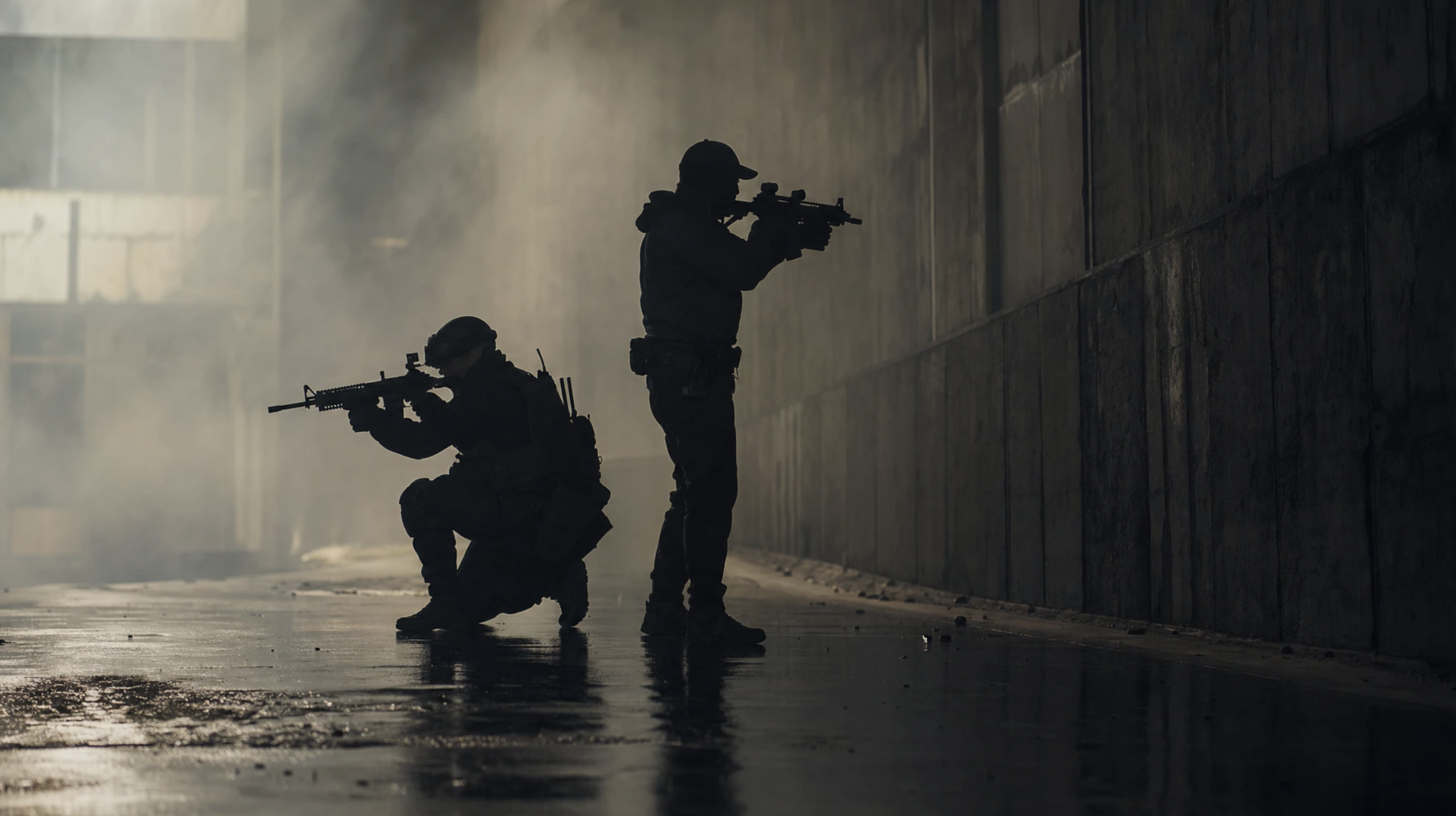
Transfer windows close. Matches finish. Yet the hours between full-time whistles still need filling, and plenty of Premier League regulars fill them with extraction shooters.
Escape From Tarkov and Rainbow Six Siege sit at opposite ends of the tactical FPS spectrum, but both pull from the same pool of competitive multiplayer fans who treat Saturday afternoons as sacred. One demands total commitment per raid. The other fits inside a halftime break. Picking between them comes down to how much time, and nerve, is on offer.
Key Takeaways
- Tarkov’s permadeath extraction loop demands patience while Siege X’s round-based matches fit shorter halftime-length breaks.
- Siege X’s decade-long ranked esports scene outweighs Tarkov’s wipe-cycle economy for competitive longevity.
- 2026’s Tarkov 1.0 launch and Siege X’s overhaul both reshape pricing, performance, and new-player friendliness.
- Squad-based PL fans watching together will find Siege’s team coordination closer to matchday banter than Tarkov’s solo tension.
Two Different Shooters, One Shared Fanbase Among Premier League Regulars
Matchday groups already argue over formations. The same lads arguing about a back three on Sunday are often the ones deciding between a Tarkov raid and a Siege ranked grind on Monday night. Both are hardcore shooters, but they ask for different kinds of attention, and that difference matters more than most comparisons admit.
Core Gameplay Loop: Permadeath Extraction vs Round-Based Attack/Defense
How Tarkov’s raid structure and gear fear change every decision
Every raid in Tarkov starts with a loadout you might never see again. Die, and your gear’s gone. That’s gear fear in its purest form, and it reshapes how cautiously you play, peek, and push. It’s a survival sandbox wrapped around PvPvE tension, where AI Scavs complicate fights against real players. The death penalty isn’t cosmetic. It’s your whole kit.
How Siege X’s round-based respawn-free rounds compress tension into minutes
Siege plays shorter and sharper. Rounds run roughly three minutes, no respawns, decided by a single engagement gone right or wrong. The round-based format rewards fast reads over long-term planning, closer to a 90-minute match than a season-long campaign.
Head-to-Head Comparison Table: Price, Platforms, Player Count, Match Length
Numbers tell the story faster than opinion does. Here’s where both titles stand as of late 2026.
| Factor | Escape From Tarkov | Rainbow Six Siege X | |
| Platforms | PC only | PC, PlayStation, Xbox | |
| Price | $49.99 (Standard Edition) | Free access; Elite Edition historically $19.99 | |
| Player count | Roughly 6-14 PMCs per raid, plus AI Scavs | 5v5 PvP | |
| Match length | Roughly 20-45 minutes per raid | Roughly 25-45 minutes per match, estimated | |
| Anti-cheat | BattlEye | BattlEye |
System requirements and performance overhead side by side
Siege X runs lighter. Ubisoft’s official minimum spec is a Ryzen 3 3100 or Core i3-8100 with an RX 5500 XT-class GPU for 1080p/60fps. Tarkov’s unofficial 2026 listings suggest heavier demands, including 16GB RAM and GTX 1660-class graphics minimum, with an RTX 4070-class card recommended, though Battlestate Games hasn’t confirmed official 1.0 specs.
Battlelog.co isn’t affiliated with Battlestate Games or Ubisoft. Players weighing performance tools against either title’s anti-cheat should check Battlelog’s Tarkov cheats for current detection-status info before committing to a raid-heavy session.
2026 State of Play: Tarkov’s Full 1.0 Launch vs Siege X’s Latest Overhaul
Both games went through genuine reinvention recently, and the timing lines up almost too neatly for anyone tracking both calendars. Siege X launched its overhaul on 10 June 2025, reshaping how Ubisoft’s tactical FPS handles access and pricing. Tarkov followed with its reported full 1.0 release on 15 November 2025, according to IGN and SteamDB, though some guide sites muddy that date with conflicting claims. Treat the Tarkov 1.0 timeline as settled against official sources rather than secondary guides.
Pricing model shifts since launch
Siege X flipped its business model rather than its gunplay. Quick Match and Unranked now sit behind a free-access door, while Ranked, Siege Cup, extra operators, and cosmetics still need payment. Tarkov went the other way, consolidating around a Standard Edition priced at $49.99 on Steam, with no free tier at all. That’s a meaningful split for anyone budgeting a season of gaming around a Premier League fixture list.
What’s changed in Siege X’s operator roster and maps
Ubisoft hasn’t published a full dated roadmap for operators or maps in the gathered material, so treat specifics cautiously. What’s confirmed is the access structure itself: paid players unlock the full operator pool, Ranked mode, and Siege Cup, while free-access players get a trimmed slice of the roster. The core 5v5 tactical FPS identity hasn’t moved.
Competitive Longevity: Siege’s Esports Scene vs Tarkov’s Wipe Cycle Economy
Longevity is where the two games genuinely diverge, not just in structure but in intent. Siege has run a ranked mode and professional esports scene for roughly a decade, giving it the kind of competitive multiplayer pedigree few tactical shooters can match. Ranked seasons, Siege Cup, and a mature spectator culture give it staying power closer to a top-flight football league than a one-off tournament.
Tarkov plays a longer, stranger game. Its economy resets through wipes, flushing gear, cash, and hideout progress to rebalance the raid loop. That’s not decline, it’s design. The progression system rebuilds from zero each wipe, and the survival sandbox genuinely feels different post-reset.
Pick based on what kind of commitment suits a season. Siege rewards weekly ranked grinding, while Tarkov rewards patience across months, not days.
Hardcore Realism vs Tactical Precision: Gunplay, Loot, and Destructible Environments
Realism separates these two harder than player count or price ever could. Tarkov’s gunplay leans on realistic ballistics, bullet penetration, and a layered health system where limb damage actually changes how you move and aim. Loot runs are tense because every item has weight, value, and risk attached.
Siege plays a different game of precision. Its gadgets, from breach charges to drones, create information and destruction rather than survival stakes. Destructible environments let you reshape a map mid-round, and peeker’s advantage punishes anyone holding an angle too long. Weapon customization matters in both titles, but Tarkov’s runs deeper, touching ergonomics and recoil control beyond cosmetic attachments.
New-Player Friendliness, Learning Curve, and Anti-Cheat Realities
Nobody walks into Tarkov and feels comfortable by raid three. The learning curve is brutal, map knowledge takes weeks, and the skill ceiling sits miles above casual expectation. Every death against a geared PMC feels like a lesson nobody asked for.
Siege’s curve is gentler but not soft. Operator knowledge and gadget timing take real reps, though round-based matches let you learn through repetition faster than Tarkov’s longer raids allow. Both titles battle persistent cheating concerns, and both run BattlEye anti-cheat to police fair play in their respective PvP and PvPvE spaces.
Neither Ubisoft nor Battlestate Games is affiliated with Battlelog.co, and nothing here should be read as endorsement from either publisher. Anyone comparing performance tools against each game’s anti-cheat should weigh detection risk the same way they’d weigh a risky through-ball, carefully and with eyes open.
Which Game Fits Your Downtime: Solo Grinder, Squad Captain, or Casual Fan
Matchday schedules decide more than most PL fans admit. A quiet Tuesday night suits Tarkov’s slower burn; a raid can eat 30-plus minutes without a clean exit.
Siege X fits around football better. A round-based match wraps in half an hour, give or take, leaving room for a second half or a late highlights catch-up.
Solo Play Versus Squad-Based Team Coordination
Solo play in Tarkov is punishing but rewarding, gear fear sharpening every corner. Siege’s squad-based team coordination feels more like matchday banter, a five-a-side built on calls and trust rather than silence.
Supporters who already game while following scores might find Siege’s shorter bursts easier to juggle than a 40-minute raid with no pause button. Either way, performance tools from Battlelog.co cover both titles, letting squads or lone operators dominate effortlessly without losing sight of kickoff.
Final Whistle: So, Which Extraction Shooter Wins Your Free Time
There’s no wrong answer here, only a better fit. Tarkov rewards patience and nerve; Siege rewards reflexes and rounds that respect a tight schedule.
Pick based on how much time Saturday actually leaves. Either way, winning is just a click away once the loadout’s sorted and the anti-cheat risk has been weighed honestly.

