

Michael Carrick, Manchester United and the indecision that keeps defining Old Trafford
Manchester United have done what they often do in moments of crisis, they have bought themselves time. A dramatic 3-2 comeback win over Roma has changed the mood, at least temporarily, and according to Independent, it has also complicated the call over Michael Carrick’s future.
The line repeated around Carrington says plenty about football’s short memory and sharp mood swings, “Everything feels completely different after a win.” That much is obvious. United had just ended their longest winless run in 40 years. Relief was inevitable. So was the temptation to delay a decision that many at the club have apparently been reluctant to make in the first place.

Michael Carrick future still hangs on one question
The core issue is not really the Roma result. It is whether United’s leadership truly believe Carrick is the right man, or whether they simply do not have the conviction to move on without a clear successor lined up. That is a dangerous place for any major club to sit, and especially for one that has spent years drifting between short-term fixes and half-made plans.
The report makes the point plainly, United have been stuck in indecision, with “little idea” over a replacement. That matters. Clubs can survive a bad run. They struggle far more when the people in charge are unable to define what comes next.
The list of alternatives hardly inspires certainty either. Eddie Howe is reportedly less admired internally than many assume. Sebastian Hoeness is well regarded, but taking him from Stuttgart would represent a major leap. Fabian Hurzeler has impressed, but there are doubts over whether he could cope without Brighton’s structure, and whether compensation would be manageable. Cesc Fabregas is seen as going nowhere for now. Julian Nagelsmann has admirers, though concerns remain over how he handled Bayern Munich and how players responded to him there.
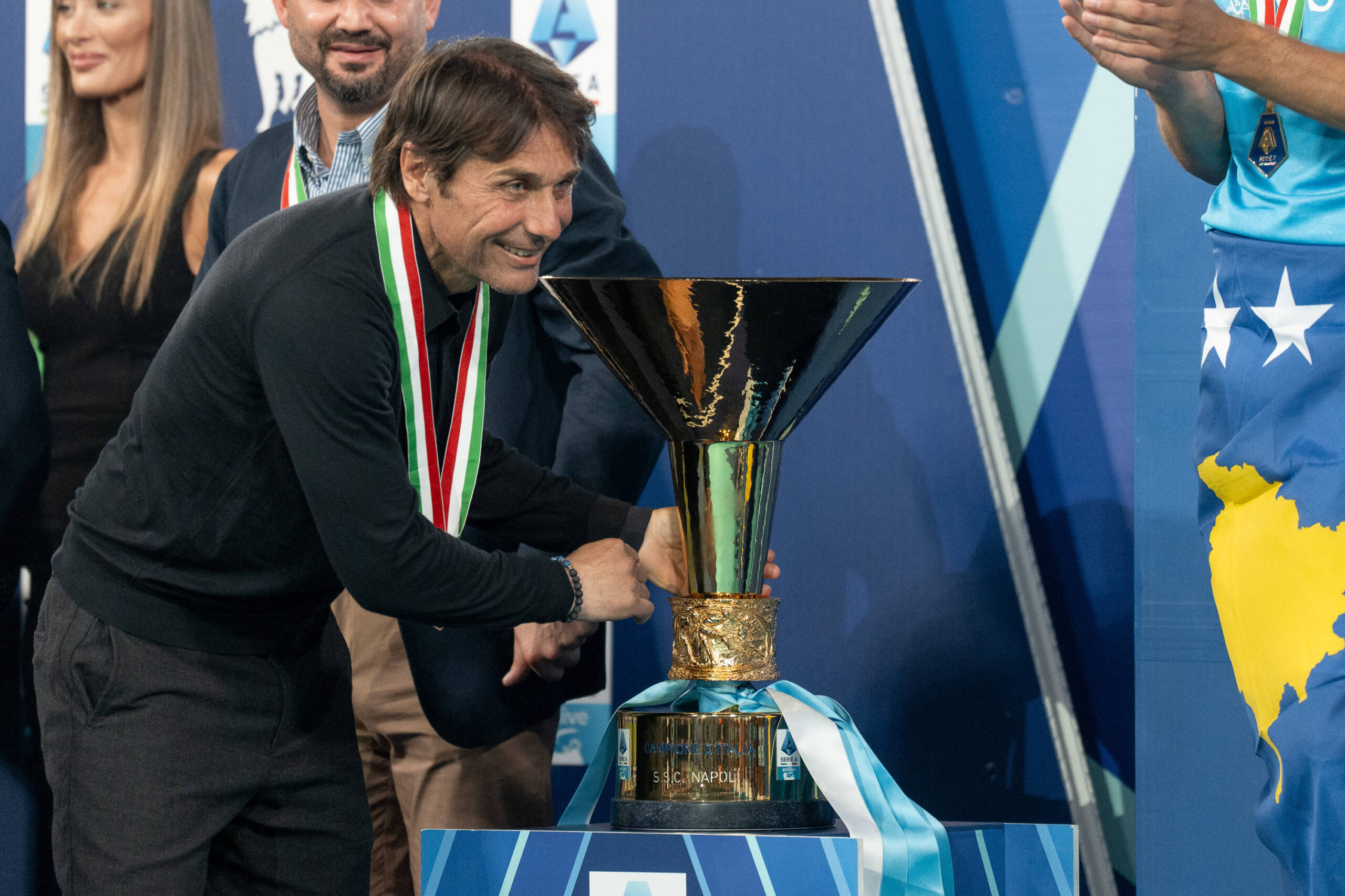
Then there is Antonio Conte, probably the most proven elite option mentioned, but also one who would bring his own demands, volatility and finite shelf life. In simple terms, every road carries risk. United know that. It helps explain why Carrick is still in place.
Roma comeback changes mood at Old Trafford
This is where football can distort judgement. A stirring European night can make structural problems look smaller than they are. United came from behind, Old Trafford roared, and suddenly a sacking that had seemed plausible before the international break no longer feels inevitable.
That does not mean the concerns have gone away. The same piece points out that all of them could return after Aston Villa. This is the reality at Old Trafford right now, one big occasion can reshape the headlines, but not necessarily the direction of the club.
There is also a historical warning here. United have seen this film before. In 2021, under Ole Gunnar Solskjaer, they came back from 2-0 down in the Champions League to beat Atalanta 3-2. It felt significant at the time. It was not. It was, as described in the report, “a temporary balm.”
That phrase should ring in the ears of everyone making decisions at boardroom level. Clubs in decline often tell themselves they are only “a few tweaks” away. Usually, they are not. Usually, the issues run deeper.
Manchester United data offers weak comfort
One reason Carrick has apparently been given a little more room is the data. United’s underlying numbers are said to be close to last season’s, suggesting performances may not have been quite as bad as the table and the atmosphere have implied. There is a belief that fine margins have gone against them, and that confidence has suffered as a result.
That is plausible, up to a point. Fine margins do shape seasons. The Chelsea performance is used as a case in point, a strong first half, missed chances, then collapse after Lisandro Martinez’s red card. Those details matter. But underlying numbers are useful only if they support a coherent football plan. On their own, they do not absolve a manager or a hierarchy.
The report also suggests United did not back Carrick sufficiently in the summer and are effectively trying to get through this stretch before further business in January. If true, that reflects poorly on the decision-makers as much as the coaching staff. If you appoint a man, you either support him properly or change him. Hovering in between is how clubs waste months.
United hierarchy still lack decisive direction
The larger concern is not one fixture, one run, or even one manager. It is whether the hierarchy can finally show clarity. The starkest line in the piece comes from an experienced chief executive, “It’s not actually difficult to figure out, but it’s hard to execute. What is absolutely crucial is to get quality people in the right positions.”
That sounds obvious because it is. Good clubs make hard choices early and align the football structure around them. Badly run clubs hesitate, react to noise and keep leaving themselves exposed to the next emotional swing.
And United are said to be living through plenty of those. The report describes “extreme emotional swings” around the club, fuelled by results and the wider media machine that constantly surrounds Manchester United. Again, that may be true, but it is also part of the landscape. Elite clubs do not get to complain about scrutiny. They have to be stable enough to work through it.
Aston Villa provide an awkward comparison. Unai Emery has brought order, identity and progress, and Villa appear more decisive over his future than United are over Carrick’s. There are caveats, of course. Managing Villa and managing United are different burdens. Handing one man total control at Old Trafford carries larger consequences. Even so, hesitation has become its own problem.
That leaves Sunday in familiar territory, one match carrying more significance than it probably should. Beat Villa and Carrick may well survive the break. Lose, and all the same questions flood back. That is where United are now, not rebuilding with purpose, but waiting for the next result to tell them what to feel.
Our View
Here we go again. One big European night and suddenly people want to convince themselves the crisis has passed. It has not. Beating Roma 3-2 after going behind does not erase weeks of drift, and it certainly does not answer whether Michael Carrick is the man to lead this club forward. It just kicks the can down the road, which is exactly what Manchester United have been doing for years.
The most maddening part is the indecision. If the people running the club think Carrick is good enough, say it and back him properly. If they do not, make the change and live with it. This limbo is poison. “Little idea” over a replacement is not an excuse, it is an indictment. How does a club this size reach a point where it has no clear succession plan?
And this obsession with being “a few tweaks” away needs to stop. We have heard it too many times. The squad needs serious surgery, the football operation needs proper leadership, and the standards need resetting from top to bottom. A comeback win under the lights is great in the moment. It is not a strategy.
What stings most is looking at clubs with less money, less pull and fewer excuses making cleaner decisions than United. Villa look more coherent. Brighton have looked more coherent for years. United still feel like a machine powered by sentiment, panic and delay. Until that changes, every so-called revival will feel temporary, because it probably is.
Source: Independent

