
Premier League Managers: The Sacking Dilemma
Premier League Stability?
In a recent discussion on The Athletic Football Podcast, host Ayo Akinwolere delved into the intriguing topic of Premier League managers and the notable absence of sackings in the current season. Joined by journalists Dom Fifield, Jay Harris, and Duncan Alexander, the conversation shed light on the reasons behind this stability and the implications for teams at the bottom of the table.
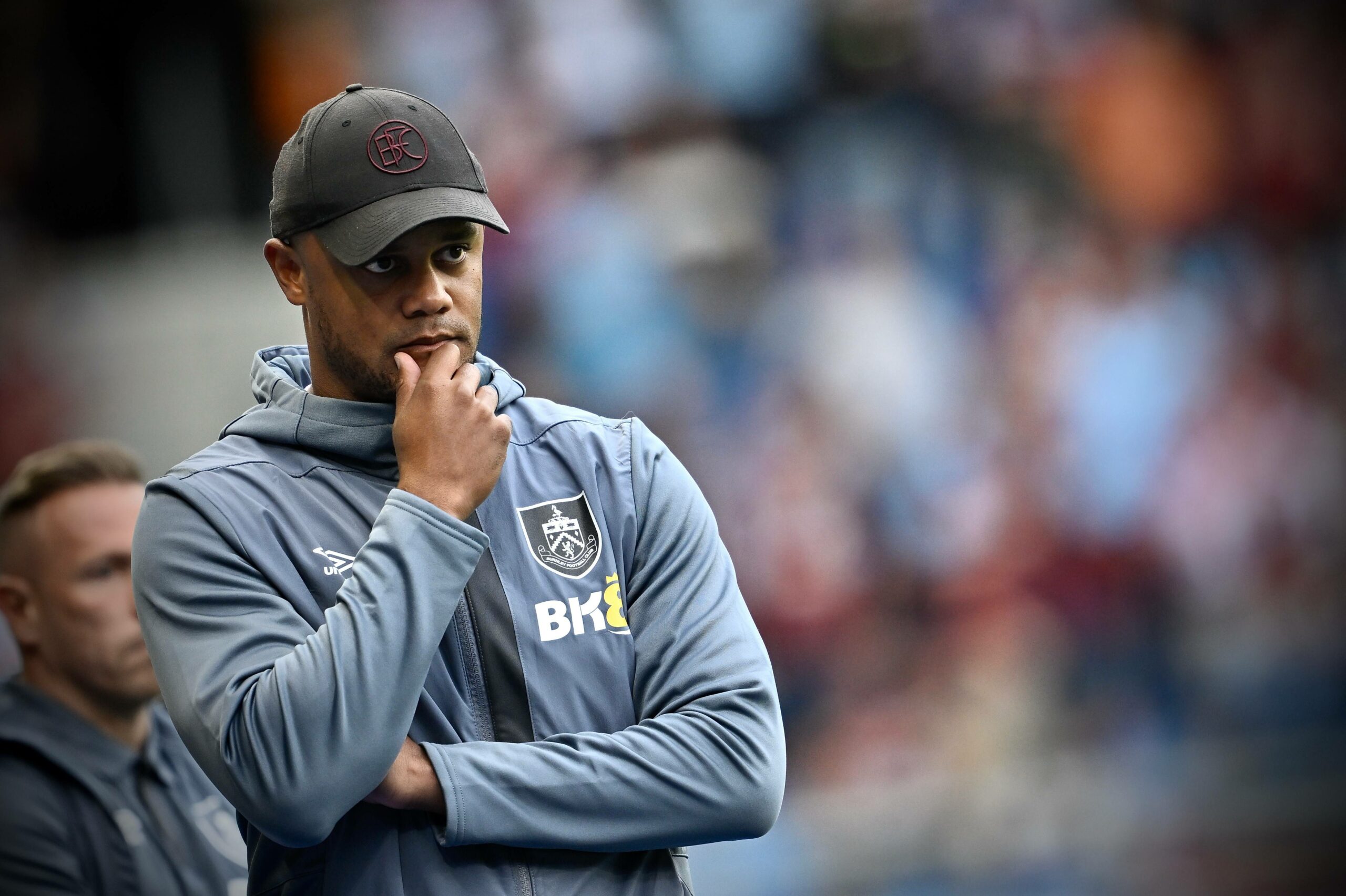
Dom Fifield highlighted the “cultural revolution” at clubs like Burnley under Vincent Kompany, suggesting that it might be “foolish to stick too hard to that” given their current challenges. However, he also pointed out the risks of abandoning such a process too early, drawing parallels to Crystal Palace’s experience in 2017. This raises a crucial question: should clubs persist with their cultural resets or revert to safety-first approaches?
Metrics of Success and Survival
Duncan Alexander brought a statistical perspective, noting that the three promoted teams have the lowest expected goals in open play. This rarity, not seen since 1998, might give lower-half clubs more confidence in their ability to turn things around. But what does success look like for teams like Luton, Sheffield United, and Burnley? Is survival in the Premier League the only measure, or should they aim for more?
Jay Harris touched on the concept of the “managerial bounce,” questioning its effectiveness. He cited examples like Frank Lampard at Everton, where a change in management led to an initial uplift but didn’t necessarily translate into long-term success. This suggests that hiring and firing managers isn’t a panacea; a long-term strategic plan is crucial.

Sticking with Managers: A Wise Choice?
The discussion also explored the merits of sticking with managers during tough times. Duncan Alexander mentioned examples like David Moyes and Steve Cooper, who faced pressure but ultimately kept their teams up. This raises an important point: fans and clubs might be quick to demand change, but understanding when a change is truly needed is key.
In conclusion, the stability in Premier League managerial positions this season reflects a complex interplay of factors, from cultural revolutions at clubs to a deeper understanding of metrics and the effectiveness of managerial changes. As the season progresses, it will be fascinating to see how these dynamics play out and whether clubs will maintain their current course or opt for change.

