
Manchester United’s Stadium Saga: Balancing Heritage and Revenue
Balancing Act Between Tradition and Commercialisation
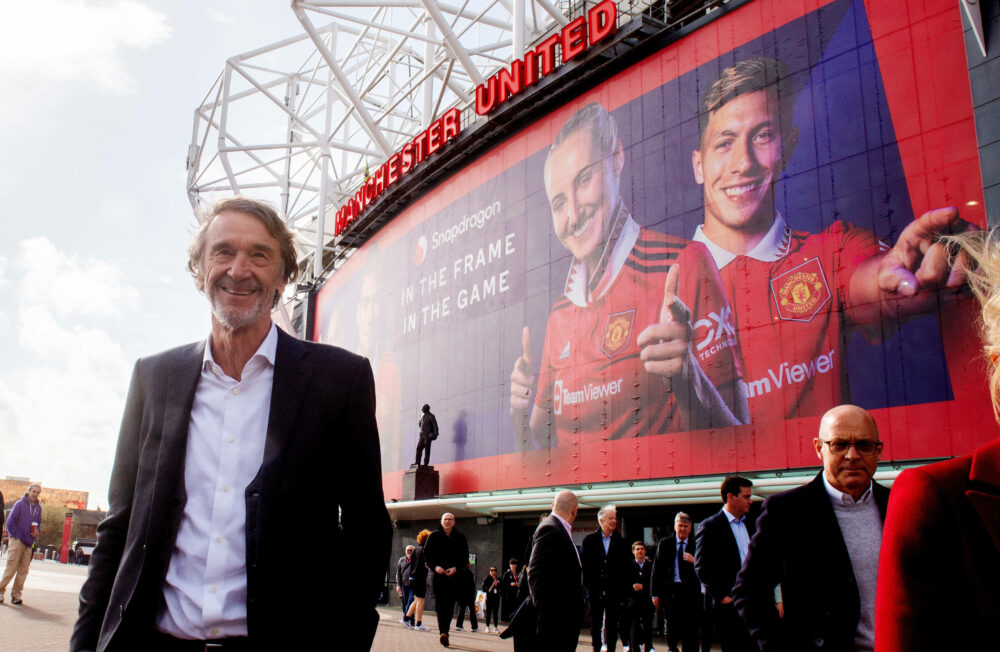
Manchester United, a global football powerhouse, face a significant crossroads in its storied history. As detailed by Adam Crafton in The Athletic, the club are contemplating selling the naming rights to either a revamped Old Trafford or an entirely new stadium. This move, driven by part-owner Sir Jim Ratcliffe, is seen as a potential goldmine to fund extensive renovations or even a complete rebuild of the iconic ground.
The debate surrounding naming rights isn’t new but brings unique nuances when linked with a club of United’s heritage. Stadiums like Arsenal’s Emirates and Manchester City’s Etihad reflect a modern football era where commercial interests often overshadow traditional values. However, United’s situation is delicately poised, blending the necessity of financial health with the preservation of a rich legacy.
Funding Strategies and Financial Implications
United’s financial strategy appears multi-faceted. Talks with major financial entities such as the Bank of America hint at a robust approach to securing the capital necessary for such ambitious projects. The club’s latest financial disclosures reveal ongoing debts but also show proactive measures taken by Ratcliffe to mitigate these through substantial cash injections.

This financial reshuffling allows Manchester United to potentially borrow at more favourable rates, thereby aligning short-term financial relief with long-term infrastructural investments. The approach suggests a strategic financial stewardship aiming to balance the books while setting the stage for infrastructural enhancements.
Cultural Impact of Renaming Old Trafford
The potential renaming of Old Trafford sparks a complex dialogue about cultural heritage versus commercial progress. The current discourse around stadium naming rights in England often pits economic benefits against traditional values, where fans cherish historical names that resonate with local and footballing folklore.
Adam Crafton’s article raises pertinent questions about the cultural ramifications of such a decision. For instance, while newer stadiums have adopted corporate names, Old Trafford remains a bastion of Manchester United’s identity. A compromise might be seen in solutions like ‘Old Trafford, connected by [Brand]’, which could preserve the traditional name while still accommodating commercial interests. This approach mirrors arrangements at other historic venues like Wembley Stadium, connected by EE.
Community and Fan Perspectives
The community’s response to such changes cannot be overstated. Manchester United’s fan base, both locally and globally, holds significant sway over the club’s cultural and commercial operations. The potential increase in ticket prices, as mentioned by Crafton, alongside the commercialisation of the stadium’s name, could strain fan relations. This is particularly poignant considering the historical context of fan opposition to previous ownership and financial decisions.
The involvement of figures like Gary Neville and broader consultations with political figures and community leaders suggest an attempt to balance these commercial objectives with community and fan engagement. However, Ratcliffe’s comments about needing to optimize revenue to comply with financial fair play rules reveal the underlying pressures that modern football clubs face.
Manchester United are at a pivotal moment. The decision to sell naming rights and the strategy for funding their stadium projects are more than financial transactions; they are deeply intertwined with the club’s identity and its relationship with fans.
As they navigate these decisions, the balance between modern financial imperatives and the preservation of a cherished heritage will be crucial. The outcome will likely set precedents for how clubs with rich histories engage with the realities of contemporary football economics.

