
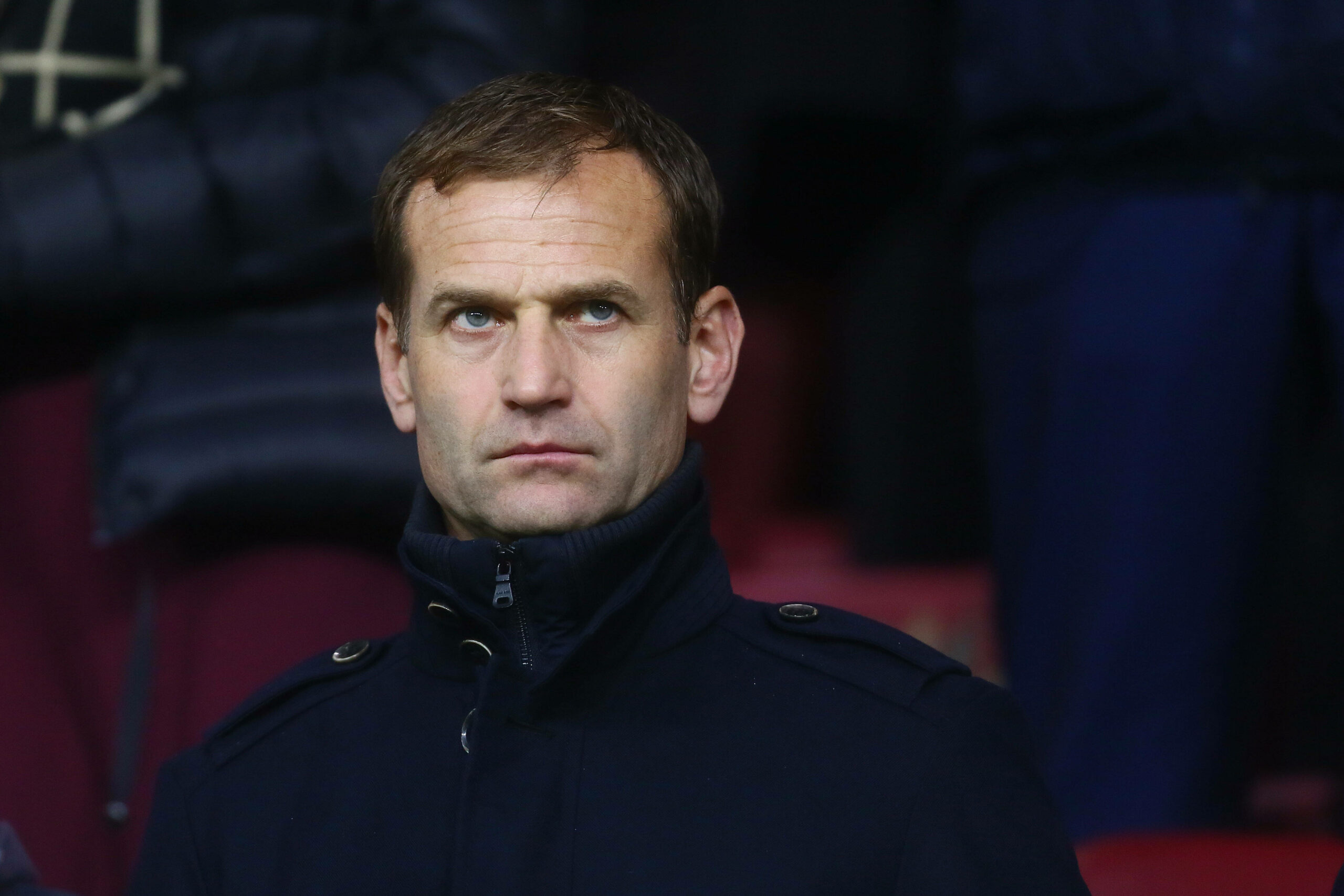
Transforming Manchester United’s Recruitment: The Dan Ashworth Effect
The role of a sporting director goes far beyond merely handling recruitment, a fact well understood by Dan Ashworth. In a 2020 interview with The Athletic, he described his position at Brighton & Hove Albion as one where he “sits in the middle of the wheel and on the outside of the wheel is the head of each department.” This metaphorical representation underscores the multifaceted nature of the job, requiring oversight of various departments and ensuring smooth, cohesive operations within the football club.
The Comprehensive Role of a Sporting Director
Now at Manchester United, Ashworth will be overseeing all aspects of the club’s football operations, from the academy to the women’s team, and from performance to the medical staff. He is set to be the pivotal figure in the INEOS-led era, reporting directly to the incoming chief executive, Omar Berrada. This wide-reaching role emphasizes that a sporting director’s responsibilities are comprehensive, far beyond recruitment alone.
Despite this broad scope, recruitment remains a critical component, especially at a club like Manchester United, notorious for its profligate spending in recent years. The club’s transfer dealings have often come under scrutiny, with INEOS poised to prioritise reforming this area.
Manchester United’s Recruitment Challenges
In an effort to understand Manchester United’s recruitment processes, The Athletic spoke to various sources familiar with the club’s operations. The insights reveal a mix of strengths and frustrations:
- Breadth and Depth of Scouting: United boasts an impressive scouting network, but there are issues with how effectively this network is utilized.
- Missed Opportunities: Instances like the failed pursuit of Pedro Neto, Benjamin Sesko, and Moises Caicedo highlight the club’s struggles with decision-making and negotiations.
- System and Process: United’s scouting database, TrackerMan, is described as a “black box,” limiting collaboration among scouts and creating bottlenecks in decision-making.
Recruitment: A Critical Focus
Sir Jim Ratcliffe, upon completing his minority investment in Manchester United, emphasized the critical need for reform in the club’s transfer dealings. The aim is to streamline decision-making and ensure that the club’s vast scouting resources are utilized efficiently. The recruitment setup at United, despite its extensive scouting network, has often been let down by slow, unclear, and indecisive actions when it comes to finalizing deals.
The New Era Under INEOS Leadership
Under the new INEOS leadership, changes are already underway. Christopher Vivell, expected to join as director of recruitment, will bring his experience from RB Leipzig and Chelsea. Alongside Ashworth, technical director Jason Wilcox, and manager Erik ten Hag, Vivell’s input will be crucial in shaping a more efficient recruitment strategy.
Leveraging United’s Scouting Network
One of United’s significant advantages is their extensive scouting network, which is among the most comprehensive in European football. The club employs around 160 scouts worldwide, contributing to a robust database of potential talents. However, there have been calls for improvements in how reports are standardised and simplified, making them more accessible and actionable.
Learning from Past Mistakes
United’s recruitment strategy has often been criticised for its lack of speed and clarity. Former employees highlighted missed opportunities where United was first to identify talents but failed to act swiftly. Examples include the cases of Moises Caicedo and Pedro Neto, where delays and indecision resulted in losing out on promising players.
The Need for Decisiveness
To avoid repeating past mistakes, decisiveness in recruitment is paramount. The new leadership under Ashworth must ensure that once a talent is identified, the club moves quickly and efficiently to secure the signing. This means cutting through bureaucratic delays and ensuring clear communication among decision-makers.
Balancing High-Profile Signings and Emerging Talents
Manchester United has often been accused of relying too heavily on high-profile, established players, sometimes at the expense of nurturing young talents. The case of Hannibal Mejbri, who was initially overlooked before being signed for a significant fee, illustrates this point. The club needs a balanced approach that combines the acquisition of marquee players with the development of emerging talents.
Overcoming the ‘United Tax’
A persistent issue for Manchester United in the transfer market is the so-called ‘United tax,’ where the club faces inflated prices due to its perceived wealth. To combat this, the club must adopt a more assertive stance in negotiations, willing to walk away from deals that enter ‘nosebleed territory.’
Enhancing Selling Strategies
Improving the club’s transfer dealings also involves better strategies for selling players. Historically, United has struggled in this area, partly because of a lack of focus on generating revenue through player sales. Under the new regime, there is a greater emphasis on identifying talents with potential resale value and maximizing returns on outgoing transfers.
Conclusion: A Strategic Path Forward
Dan Ashworth’s appointment marks a significant step towards transforming Manchester United’s recruitment strategy. By leveraging the club’s extensive scouting network, streamlining decision-making processes, and balancing high-profile signings with emerging talents, United can overcome past challenges and build a more efficient and effective recruitment system. The goal is clear: to ensure Manchester United remains competitive at the highest levels of football while fostering a sustainable and dynamic talent pipeline.

