
UEFA’s New Referee Rule: Transforming Player Conduct in European Football
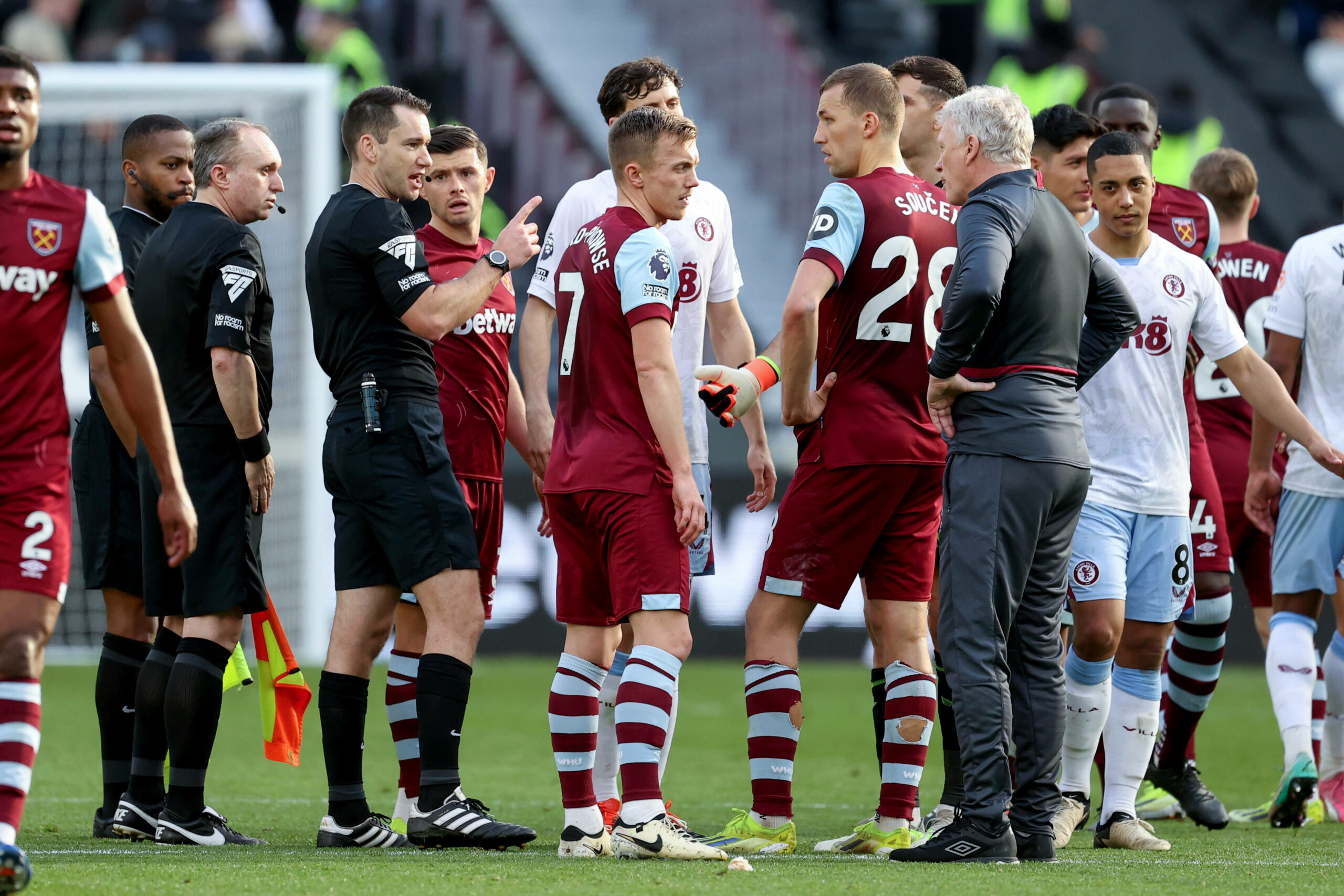
European football is on the brink of a significant change in player conduct as UEFA extends its Euro 2024 referee rule to the Champions League, Europa League, and Europa Conference League starting next season. This decision comes after the successful implementation of the rule at Euro 2024, wherein only the team’s captain was permitted to speak directly to the referee. The adaptation of this rule to club-level competitions is poised to reshape the dynamics on the pitch, emphasizing respect and discipline among players.

Impact on European Competitions
UEFA has observed a noticeable improvement in the “image of football” since the introduction of this rule, which restricts all players, except for the team captain, from approaching the referee. Violations of this rule result in an immediate yellow card for the offending player. The rule’s introduction at Euro 2024 saw a dramatic increase in the number of yellow cards issued, with 166 in the group stage alone, a significant rise from 98 during Euro 2020’s equivalent phase.
“Starting with the new season of UEFA club competitions ready to kick off next week, this approach will be extended to all matches in UEFA competitions,” UEFA announced. This strategic decision is expected to streamline interactions on the field and reduce confrontations, thereby speeding up the game and enhancing the viewing experience for fans.
A Closer Look at the Rule’s Impact
The stark increase in bookings during Euro 2024 could be seen as a transitional challenge as players and teams adapt to the new norms. However, the rule’s enforcement has been credited with fostering a more respectful atmosphere during matches. Teams have had to strategize not only around the physical aspect of football but also its interpersonal dynamics, placing additional importance on the role of the captain as the team’s sole representative in discussions with the referee.
This rule change is seen as a crucial step towards improving the decorum on the pitch. It reduces the pressure on referees and helps to mitigate the heated confrontations that can negatively impact the flow and spirit of the game.
Challenges and Opportunities Ahead
While the rule has been met with approval from various quarters for its positive impact on the game’s image, it also presents new challenges. Captains now carry a heavier burden, serving as the bridge between the team and the officiating crew. This new responsibility requires them to be adept not only in leadership but also in negotiation and conflict resolution.
Additionally, the rule may initially lead to higher penalty statistics as players adjust to the new standards. This adjustment period will be critical for teams as they train their players to restrain themselves and channel their queries and concerns through their captains.
Looking Forward
As the new season approaches, all eyes will be on how this rule reshapes the interactions between players and referees. The broader implementation across all UEFA club competitions will serve as a robust test of its efficacy in maintaining discipline and respect on the field.
This bold move by UEFA could set a new standard for football leagues worldwide, promoting a culture where respect and discipline are as integral to the game as the skills displayed on the pitch. It marks a pivotal moment in the sport’s ongoing evolution, reflecting a growing recognition of the need for integrity and respect at all levels of play.
In conclusion, UEFA’s extension of the Euro 2024 referee rule to major club competitions could herald a new era in European football. By compelling players to communicate through their captains, UEFA aims to foster a more respectful and disciplined environment on the pitch, enhancing the sport’s image and the experience it offers to fans around the globe.

