
Man Utd’s Transfer Strategy: Continuity or Complacency?
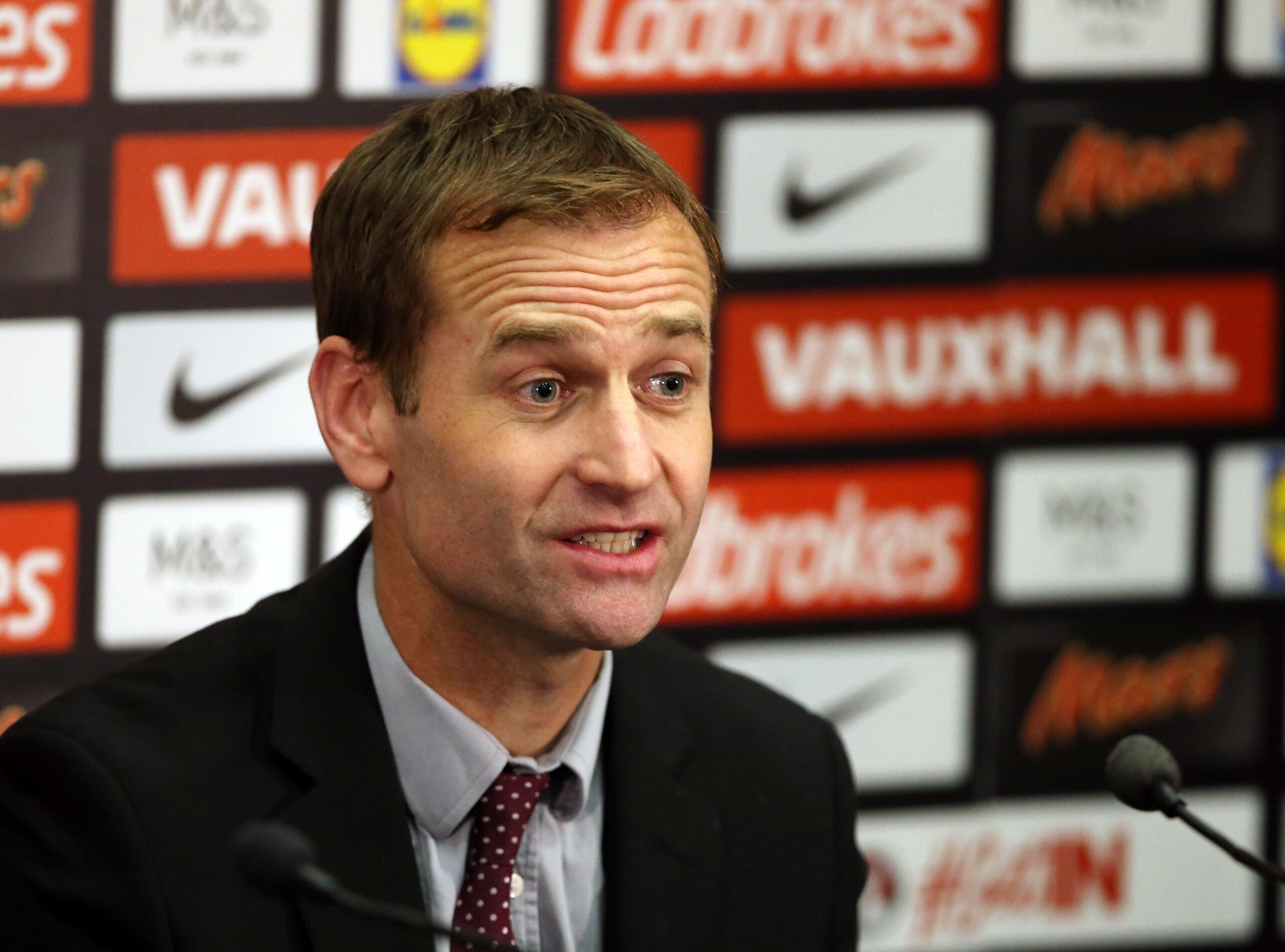
Manchester United’s summer transfer window has drawn significant attention, not least because of the club’s apparent inclination towards signing players familiar to Erik ten Hag. Dan Ashworth, the newly appointed sporting director at Old Trafford, has mounted a staunch defence of these decisions. With multiple acquisitions from Ajax, where Ten Hag previously managed, questions have been raised about whether this approach is a strength or a sign of a limited vision. Ashworth, however, insists that the strategy is both deliberate and necessary. As reported by the Mirror.

Familiar Faces, New Challenges
It’s easy to understand why eyebrows have been raised over Manchester United’s recruitment policy. Players such as Andre Onana, Lisandro Martinez, Antony, Matthijs De Ligt, and Noussair Mazraoui, all of whom have past ties with Ten Hag at Ajax, are now wearing the red shirt. For some, this seems like a convenient way to fast-track cohesion within the squad, but it also raises concerns about the breadth and depth of United’s scouting operations.

Ashworth doesn’t shy away from the criticism, instead offering a robust explanation for the club’s choices. “It’s human nature to work with somebody you’ve worked with previously in all contexts, in all business contexts,” he said. “But we’ve also signed a number of players this summer who haven’t worked with Erik previously.” This defence underscores a broader, more nuanced approach to recruitment, one that balances familiarity with fresh perspectives.
The Balance of Familiarity and New Talent
Ashworth’s argument rests on the notion that while familiarity can be a decisive factor, it is not the sole criterion for signing players. He highlights the acquisitions of Leny Yoro, Manuel Ugarte, and Joshua Zirkzee as examples of talent brought in without any prior connection to Ten Hag. The implication here is clear: while the comfort of previous working relationships can ease transitions, it’s not a crutch that the club is leaning on exclusively.

Indeed, Ashworth’s comments reflect a deeper understanding of the recruitment process. “You do as much due diligence as you possibly can,” he explained, detailing the exhaustive checks that go into assessing potential signings. From medical records to personality traits and pressure-handling capabilities, no stone is left unturned. Yet, as Ashworth concedes, “you never truly know what you’ve got, staff or player, until you start to work with them.”
The Importance of Retaining Core Talent
Beyond the incoming transfers, Ashworth emphasized the importance of retaining key players, with Bruno Fernandes’ new long-term contract standing out as a critical achievement. Fernandes has been a linchpin for United since his arrival, and Ashworth was effusive in his praise: “Retaining your best talent [is important] and, Bruno, clearly, had an unbelievable season. He’s been brilliant since he’s been here.”

This focus on stability within the squad, as seen in the retention of Fernandes, Tom Heaton, Jonny Evans, and Toby Collyer, complements the influx of new talent. It’s a clear signal that while new signings are essential, maintaining a core group of experienced players is just as crucial for long-term success.
Looking Ahead: The Bigger Picture
As Manchester United continues to rebuild under Ten Hag, Ashworth’s comments offer insight into the club’s strategic vision. It’s not merely about bringing in players who fit the manager’s style but ensuring that the overall squad composition supports the long-term goals of the club. By blending familiarity with new talent and retaining essential players, United hopes to strike the right balance between continuity and innovation.
However, the question remains: is this the right approach for a club of United’s stature? Only time will tell if Ashworth and Ten Hag’s shared vision will lead the Red Devils back to the pinnacle of English football.
Our View – EPL Index Analysis
The defence offered by Dan Ashworth regarding the club’s transfer strategy may not be entirely convincing. While it’s understandable that a manager would prefer to work with familiar faces, the reliance on ex-Ajax players could be seen as a limitation rather than a strength. One might argue that this approach undermines the global scouting network that United is reputed to have. With so many talented players available worldwide, why is there a perceived need to revert to known quantities?
Moreover, the signings of Leny Yoro, Manuel Ugarte, and Joshua Zirkzee might appear as an attempt to placate critics, showing that the club is not solely focused on Ten Hag’s former charges. However, the real issue lies in whether these new additions can genuinely make a difference in the highly competitive environment of the Premier League. For many fans, the jury is still out.
Retaining key players like Bruno Fernandes is certainly a positive move, yet it begs the question of whether United is doing enough to build around such talent. Bruno’s long-term contract might secure the club’s present, but what about its future? Are the recent signings sufficient to propel United to the top of the league, or are they merely sticking plasters over deeper issues?
In essence, while Ashworth’s rationale provides some comfort, the overall strategy may still leave fans wondering if Manchester United are genuinely moving forward or merely treading water. The club’s success in the coming season will ultimately determine whether this transfer approach is a masterstroke or a missed opportunity.

