
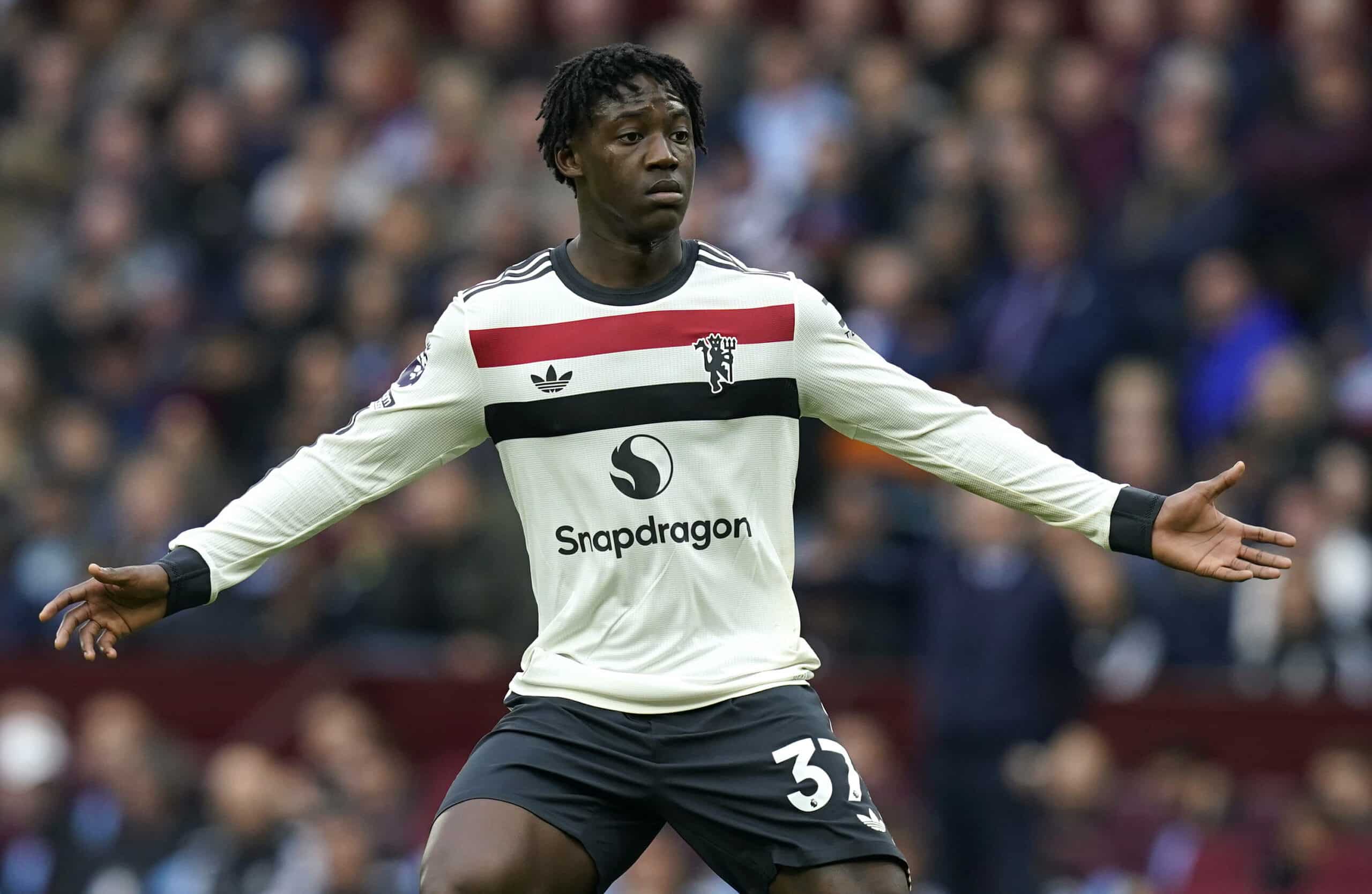
The history of Manchester United Academy: the beginning of a great tradition
The youth academy of one of England’s most successful clubs dates back to the early 20th century. Since then, Manchester United’s youth development structure has become a benchmark for football training around the world. Many generations of players who started their careers here have become legends not only for the club but also for their national teams.
Among the most famous graduates are Bobby Charlton, George Best, David Beckham, Ryan Giggs and Paul Scholes. All of them have contributed to football’s heritage and inspired new generations of young people to achieve sporting heights. Thanks to this, the Old Trafford club has earned a reputation as a ‘talent factory’ that is recognised both in England and beyond.
Youth development at Manchester United has always aimed not only to produce technically skilled players, but also to nurture strong personalities. The focus is on discipline, mental resilience, team spirit and a deep understanding of the game. A similar approach to character and mindset development can be seen in areas such as ceska kasina, where self-control, strategic vision and the ability to perform under pressure are essential for success. All this creates the conditions for young athletes to reach their full potential both on and off the pitch.
The structure and philosophy of the academy: not just about the ball
Manchester United’s model for training future professionals is characterised by a clear structure and strategic approach. The academy operates as a multi-level system, where each age group receives an individualised training programme developed by leading experts.
The main goal is to develop players who meet the requirements of the first team. To this end, modern methods are used, combining physical training, tactical thinking and mental endurance. Particular attention is paid to the overall development of the child, including educational support and social adaptation.
The key principles of the academy include:
- Fostering team spirit through integrated training
- Individual goals for each player
- Continuous assessment of progress at different levels
- Ensuring a balance between education and sport
This multidimensional concept allows the academy to train versatile footballers who are able to adapt to any challenges of the modern game.
Age categories: 9 to 21
Each age group has its own development plan that takes into account the physiological and mental characteristics of children and adolescents. Starting with the under-9 category (U9), the academy gradually develops fundamental skills: coordination, ball control, basic technique and understanding of the game.
From the age of 12 to 16, the main focus shifts to expanding tactical intelligence and implementing team strategies. Older juniors (U18 and U21) undergo more intensive training, as close as possible to the level of the club’s main squad. Here, the focus is on results, assessing not only potential but also consistency of performance.
At the same time, academic knowledge is not forgotten in the training process — educational programmes are closely intertwined with football, allowing players to receive a full secondary education and, if desired, higher education.
Selection and scouting of young talent
One of the key aspects of the Manchester United Academy’s success is its impeccable scouting system. It covers not only Greater Manchester, but the entire North West region of England. In addition, the club has partnerships with numerous children’s football schools in Scotland, Wales, Ireland and beyond.
The main sources for finding future stars are
- School tournaments and youth championships
- Local amateur football clubs
- Regional academies affiliated with the FA
- Family ties with former club players
After selection, prospective footballers undergo a trial period where coaches assess their prospects. If a child meets the standards, they receive an invitation to join the academy. This approach allows the club to find not only technically gifted children, but also those with the right character for high-level football.
Use of modern technology in the training process
Manchester United actively implements the latest technologies in the daily training of its players. The club employs the best analysts who use video analysis, sensors, GPS trackers and artificial intelligence programmes to assess training loads and effectiveness.
Innovations used at the academy:
- Analysis of striking technique using high-speed cameras
- Real-time heart rate monitoring system
- Intelligent simulators for simulating game situations
- Virtual reality programmes for developing tactical vision
Technology allows you to identify weaknesses in the game and tailor individual training programmes for each player. This ensures a personalised approach to the development of each young footballer.
Psychological training: a strong mind means strong play
A successful athlete is not only about technical skills, but also psychological resilience. Manchester United understands this perfectly, which is why specialised sports psychologists work with young players. They help them overcome pressure, manage their emotions and adapt to change.
The programmes include regular individual consultations, confidence-building training, and group exercises for team integration. Mindfulness practices, breathing techniques, and visualisation of success before matches are also implemented.
In this way, every academy student receives not only mental support but also practical self-control and leadership skills.
Career growth: the path to the first team
The ultimate goal of every student is to make it to Manchester United’s first team. Although this is not achieved by everyone, the academy does everything possible to ensure a smooth transition from youth to professional level.
Steps to the first team:
- Playing for the U18 and U21 teams in youth tournaments
- Participation in pre-season matches with the first team
- Inclusion in the squad for League Cup or FA Cup matches
- Training with the first team under the supervision of the head coach
Even those who do not make their debut for Manchester United have the chance to prove themselves at other professional clubs thanks to the academy’s prestige and powerful network of agents.
Graduates who became icons
Over the decades, the Manchester United academy has produced many stars who have made the club’s name famous internationally. Some of them have become symbols of their era, while others continue to delight fans today.
Iconic figures:
- Sir Bobby Charlton — World Cup winner and Ballon d’Or winner
- Ryan Giggs — club record holder for appearances
- Paul Scholes — versatile midfielder with incredible vision
- Marcus Rashford — a modern example of a player who has come through all stages of the system
Their stories inspire young athletes and show that success is possible with hard work and self-belief.
Impact on English football and the international stage
Manchester United academy graduates regularly strengthen national teams, not only in England but also in other countries. This speaks to the global scale and depth of the methodology used at the club. Many of them play a key role in major tournaments such as the European Championships, World Cups and the Nations League.
In addition, the academy’s influence extends to coaching. Many former players return to the club as mentors, passing on their experience to the next generation.
Conclusion: the academy as the source of the club’s future
The Manchester United Academy is not just a football structure, but a real talent incubator that shapes the future of the club. Its strategy for developing young players is based on a combination of an innovative training process, psychological support and a clearly defined philosophy of the game that is passed down from generation to generation.
The academy’s success lies not only in the fact that it produces professional athletes. It is also important that it nurtures individuals with strong values, respect for the club, dedication to the game and the ability to adapt to the harsh conditions of competitive football. All stages, from the initial selection to the debut in the first team, are designed to ensure the stable and harmonious development of young talent.
Manchester United continues to invest in infrastructure upgrades, coaching staff development and the introduction of modern technologies. This is how the club maintains its leadership in developing new generations of players who not only strengthen the squad but also shape the future of European football.
Thus, the Red Devils’ academy remains an example for others, proving that the right youth development system can produce world-class players who are proud of their past and inspired to create a new history.

