
Squad Depth vs Star Power: What Really Wins Titles in the EPL?
Every Premier League season reopens the debate: what truly wins titles — squad depth or star power? Both matter, yet the past decade shows that consistency and adaptability usually decide outcomes. Manchester City’s dominance proves that effective rotation keeps energy high across all competitions.
Since the 2010s, champions have found balance in different ways. Leicester City’s 2015/16 triumph was built on a fit, stable core that played almost every week. Chelsea’s 2016/17 title under Conte came from a well-drilled 3-4-3 system and smart rotation. Both cases show that fitness and structure often outlast chaos.
Squad depth means more than numbers; it’s about keeping tactical identity intact. When Liverpool won the league in 2019/20, substitutes added 15 goals and 12 assists. That support from the bench kept intensity high and sustained momentum through a long season.
Building a Squad That Lasts
Depth is about more than numbers. Top clubs usually depend on around 20 players logging significant minutes. Those competing in Europe need slightly more to handle fatigue and injuries. On average, Premier League teams lose thousands of player-days yearly, with Arsenal recording 36 absences in 2024/25 — among the highest in the league.
Teams with wider rotations drop fewer points during busy periods. City’s 2022/23 squad used 23 players consistently, staying sharper than Arsenal’s tighter lineup.
Managers stress coverage across positions to maintain flexibility. Recent Arsenal signings in defense and midfield show how resilience grows through targeted recruitment.
Key factors of depth:
- Rotation efficiency: Using 18–20 players to share minutes.
- Tactical cohesion: Backups understand starter roles.
- Youth integration: Academy players keep balance.
Depth also boosts morale — players train harder when they expect real chances.
Innovative Approach: What CrazyTime Games Offers
In football, the right structure keeps performance consistent — and digital platforms face the same challenge. The expert hub Crazy Time app update mirrors this logic: it organizes complex data and live sessions with the precision of a well-drilled squad. On the site, users find strategic insights, result statistics, and gameplay breakdowns that help them understand the dynamics of the Crazy Time game the way analysts study football tactics.
A recent Crazy Time improved navigation and speed, creating an experience that feels balanced and responsive — much like a team rotating players without losing control. The site’s clarity and usability reflect how planning and structure, whether on the pitch or in interface design, turn complexity into smooth execution.
Psychology of Rotation
Keeping non-starting players engaged is a constant test for managers. Jürgen Klopp and Pep Guardiola often stress trust and communication: explaining roles, praising effort, and rotating based on form rather than reputation. This approach maintains belief in the squad’s system and prevents frustration from turning into dips in performance. Players like Riyad Mahrez and Diogo Jota have thrived under such management, contributing decisive goals despite limited minutes.
Mental preparation complements physical readiness. Teams that nurture a shared mindset react better when injuries or schedule congestion hit — turning substitutes into reliable performers rather than temporary fixes.
When Star Power Still Matters
Manchester United’s recent years show that marquee signings don’t guarantee stability. Despite bringing in Casemiro and Varane, the squad struggled to maintain rhythm when injuries hit. Newcastle’s 2023/24 campaign underlined a similar issue: Champions League fixtures stretched a thin roster, exposing the limits of rotation. Both teams proved that talent alone can’t carry a season.
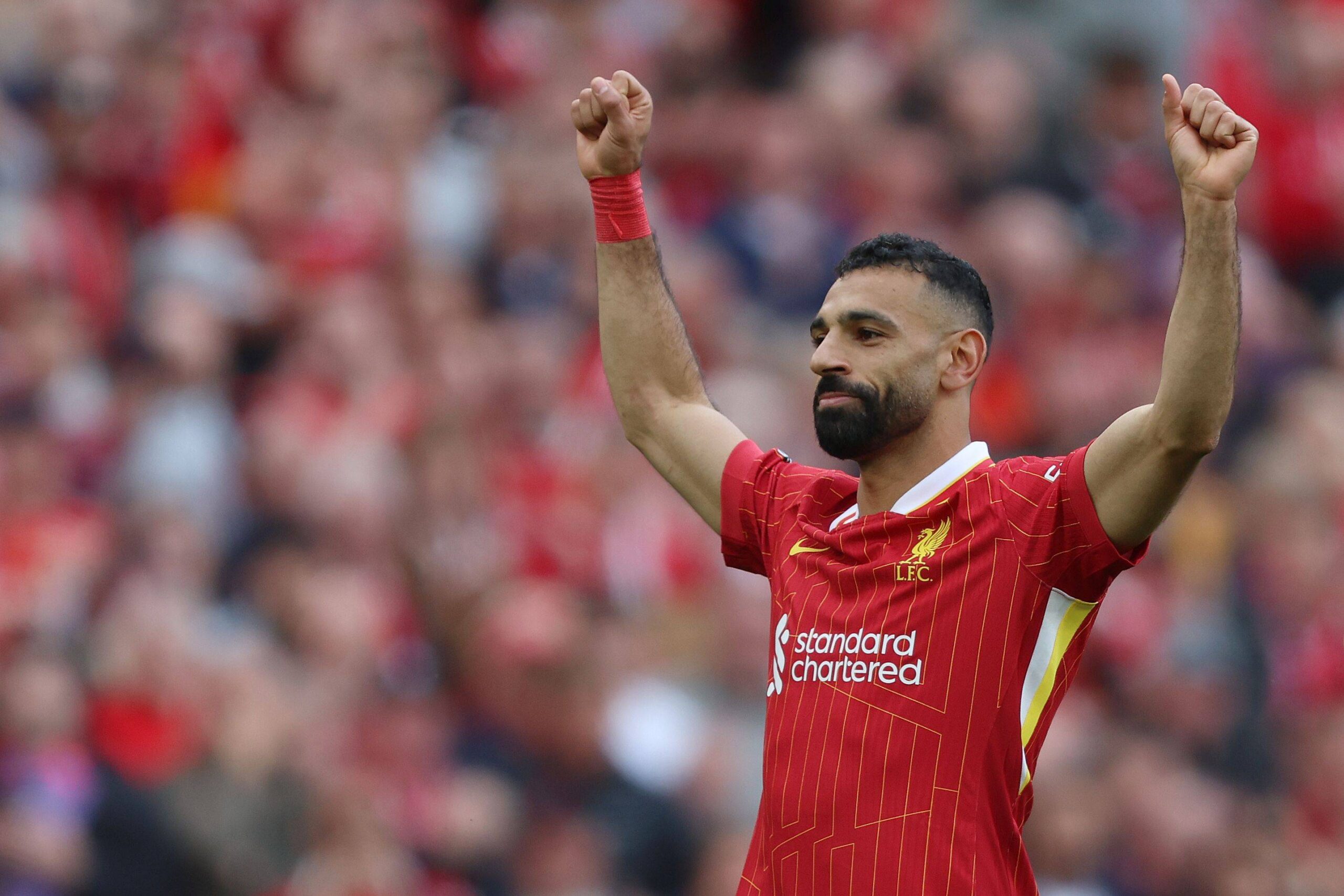
Star players still decide matches. Erling Haaland’s scoring record and Mohamed Salah’s consistency demonstrate how elite quality changes outcomes. But dependence on individual brilliance leaves teams exposed. When fitness dips or form fades, results suffer.
City’s 2022/23 season remains a balanced model. De Bruyne’s creativity anchored the team, while rotation options like Alvarez and Foden kept energy high. Spurs during the Kane-Son peak years illustrate the opposite: when injuries struck, results dropped quickly.
Winning Formulas: Blending Depth and Stars
Modern clubs increasingly rely on technology and data to maintain equilibrium. AI tools now track fatigue, predict injury risk, and even guide transfer priorities. Brighton and Brentford lead in algorithmic scouting, uncovering undervalued players through data profiling. The biggest teams combine that precision with world-class resources to keep squads competitive year-round.
Successful clubs blend both depth and star power. They use metrics, recovery science, and intelligent scheduling to sustain form. Global scouting helps, but balance requires patience and planning.
Practical principles for building durable squads:
- Rotate based on performance data, not seniority.
- Monitor workloads to keep high-intensity players fresh.
- Mix veterans with youth for long-term continuity.
- Plan recovery around international breaks to avoid burnout.
Depth wins the marathon; stars win the moments that define it. Premier League champions aren’t just those with the brightest talent — they’re the ones who stay ready for every scenario, all the way through May.

