
If the Premier League has taught fans anything over the years, it’s this: the matches that look safest on paper are often the ones that bite.
As the run-in tightens, the pressure at the top does something strange to football. Passing gets a fraction more cautious. Finishing becomes a fraction more frantic. And opponents who have “nothing” — the teams buried in the relegation fight — suddenly look like the most dangerous kind of rival: a side with everything to gain, nothing to protect, and ninety minutes to turn desperation into momentum.
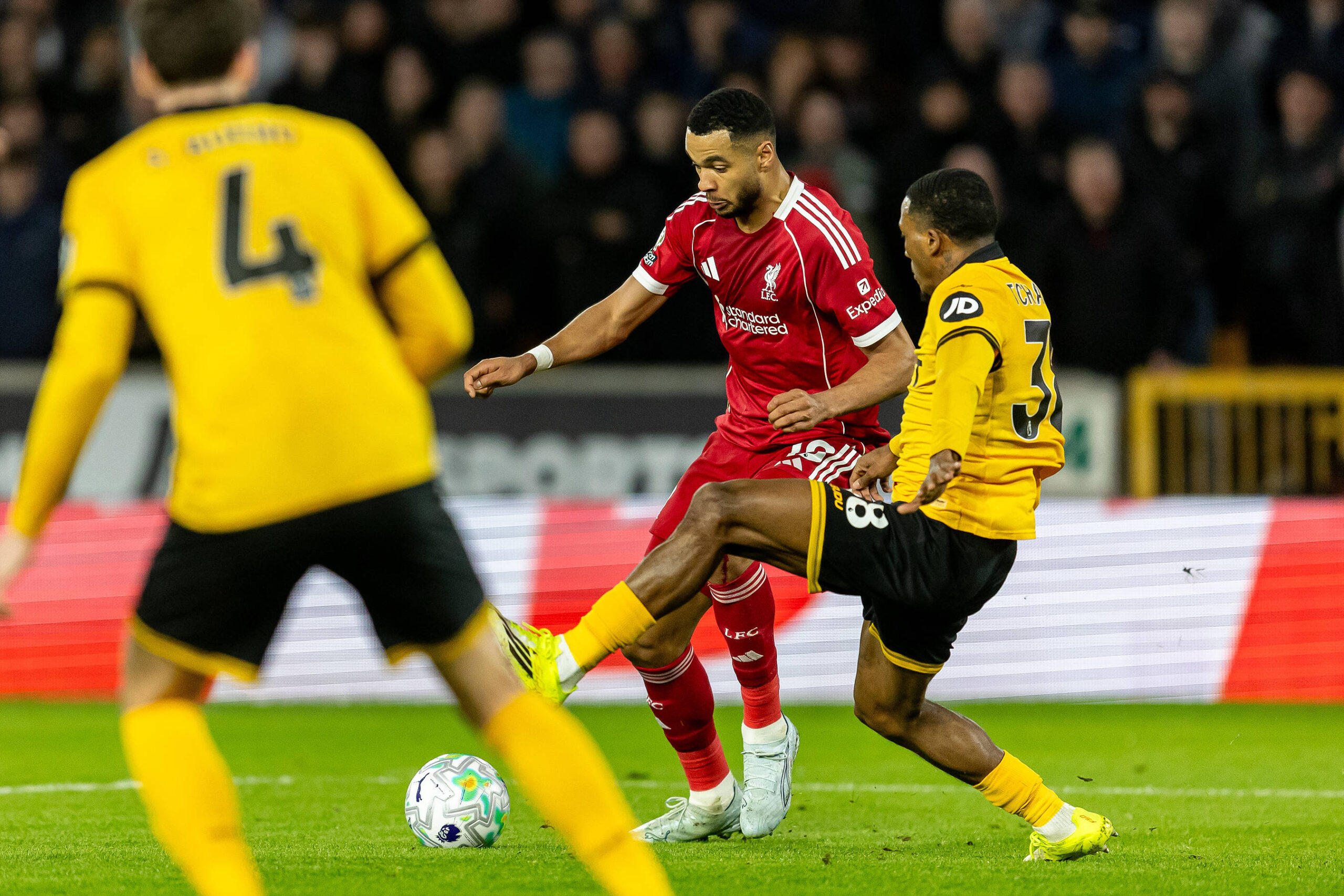
We saw the league’s chaos on full display on Tuesday night, when bottom-placed Wolves stunned Liverpool 2–1 at Molineux with a late winner — the sort of result that doesn’t just upset a single matchday, but shifts the mood of everyone watching the table.
That’s the context behind Anglia Bet latest Premier League matchweek promotion: increased odds on selected “bottom-table upset” outcomes, built around the idea that a single shock can ripple through the title race in minutes — not months.
Why “bottom-table upset” is the story of March
This stage of the season is where football becomes less predictable for reasons that have nothing to do with “form” in the abstract and everything to do with human factors.
1) Survival intensity is real.
A side in 18th or 20th isn’t playing for style points. They’re playing for oxygen. Tackles are sharper, second balls matter more, and the crowd senses that one moment can change a club’s next decade.
2) The top end carries pressure and fatigue.
Title challengers are expected to win — and that expectation becomes a weight. Add fixture congestion and rotation, and you get matches where the favourite controls the ball… but not the outcome.
3) Schedule changes create awkward football.
Broadcast picks and European scheduling don’t just move kick-off times; they change weekly routines, recovery windows, travel, and preparation. This March schedule has already been shaped by live broadcast selections and UEFA commitments.
Put those ingredients together and you get the Premier League’s favourite plot twist: the underdog doesn’t just compete — they take something.
What counts as a “bottom-table upset” market?
“Upset” can mean a lot of things, so the cleanest way to frame it for readers is with plain-English market types. For this matchweek, Anglia Bet’s enhanced odds apply to selected fixtures and selected underdog-led outcomes, such as:
- Underdog to win (Match Result)
- Underdog double chance (Win or Draw)
- Underdog to score first
- Underdog to win either half
- Underdog to win by exactly one goal (where available)
This is not a blanket boost on every outsider in every game. It’s a matchweek-focused offer built around fixtures where the “run-in effect” is most likely to show up.
The 5 fixtures Anglia Bet is building the matchweek around
These are the games that best fit the “pressure vs survival” dynamic — where a bottom-end result could change the temperature of the title race (or at least the top end of the table) immediately.
1) West Ham vs Manchester City — Saturday 14 March (20:00, TNT Sports)
A relegation-zone side at home, under the lights, against a title contender. This is the cleanest version of the story: if City drop points here, the headline writes itself. The Premier League confirmed this fixture moved to the 20:00 slot after the UEFA Champions League draw.
2) Arsenal vs Everton — Saturday 14 March (17:30, Sky Sports)
Everton aren’t bottom-table, but they’re the classic spoiler: organised, physical, and capable of turning a match into a problem. Arsenal’s schedule was also impacted by UEFA movement, with the Premier League confirming Arsenal vs Everton moved to Saturday 14 March (17:30).
3) Brentford vs Wolves — Monday 16 March (20:00, Sky Sports)
Wolves have already shown they can land a punch — beating Liverpool 2–1 as bottom club — and Monday-night football has its own energy. If survival momentum is a real thing (it is), this is where it starts to look contagious.
4) Brighton vs Liverpool — Saturday 21 March (12:30, TNT Sports)
An early kick-off at a tricky ground, with Liverpool needing points and confidence after the kind of loss that makes the next match feel twice as loud. The Premier League lists this as the 12:30 televised slot on Saturday 21 March.
5) Aston Villa vs West Ham — Sunday 22 March (14:15, Sky Sports)
A top-end side chasing their objectives meeting a relegation-zone opponent that will treat every minute like a cup final. The Premier League lists this one for Sunday 22 March (14:15).
Offer box
Anglia Bet: Increased Odds — Bottom-Table Upset Matchweek Special
Anglia Bet is offering increased odds on selected underdog markets across a set of Premier League fixtures during the March run-in — including outcomes like underdog win, double chance, underdog to score first, and underdog to win either half (selected matches and markets only).
Featured fixtures (UK times):
- West Ham vs Man City — Sat 14 March, 20:00 (TNT Sports)
- Arsenal vs Everton — Sat 14 March, 17:30 (Sky Sports)
- Brentford vs Wolves — Mon 16 March, 20:00 (Sky Sports)
- Brighton vs Liverpool — Sat 21 March, 12:30 (TNT Sports)
- Aston Villa vs West Ham — Sun 22 March, 14:15 (Sky Sports)
The logic: why late-season upsets spike (without needing a miracle)
Upsets don’t come out of nowhere. They’re usually built from a few repeatable, very Premier League patterns — especially in March.
Set pieces and second balls decide more than “play”
When pressure climbs, matches tilt toward moments. A single corner, a poorly-cleared free kick, one scramble in the six-yard box — these are not “random,” they’re just brutally efficient punishments for tiny errors. Relegation-threatened sides tend to specialise here because it’s a reliable way to compete without needing perfect open-play structure.
The favourite’s first 20 minutes aren’t always sharp
Rotation, travel, and the mental load of “must-win” games can slow starts. You see favourites probe instead of punch. You see the underdog grow into the match. And once that underdog starts believing, the stadium changes the temperature of every duel.
Scoring first becomes a psychological event
In the run-in, the first goal is often less about tactics and more about emotion. When the outsider scores first, the favourite’s job changes instantly: the crowd gets louder, the underdog gets braver, and the top side gets tense — because they can already hear the phrase “title race twist” being typed.
The schedule keeps moving, and that matters
This month’s fixture list has already been reshaped by TV selections and European scheduling (including confirmed moves after the Champions League draw).
Those changes can look cosmetic, but they affect recovery, preparation, and routine — and routine matters most when legs and minds are tired.
One upset doesn’t “decide” a title — but it can flip the run-in
“Flips the title race” can sound like marketing, so let’s put it in football terms.
A shock result doesn’t crown anyone. But it changes the psychology of the chase:
- The leader drops points → the margin shrinks → next match becomes heavier
- A rival senses weakness → they play freer → pressure changes hands
- Media narrative shifts → scrutiny rises → every moment feels louder
- Goal difference becomes a talking point → teams chase extra goals → games open up → volatility rises
That’s the ripple effect. It’s why a single shock on a Saturday night can make the Sunday fixtures feel completely different.
And it’s why the Premier League remains what it is: the league where you can be “better,” “stronger,” and “more dominant”… and still leave with nothing because one moment went the other way.

