
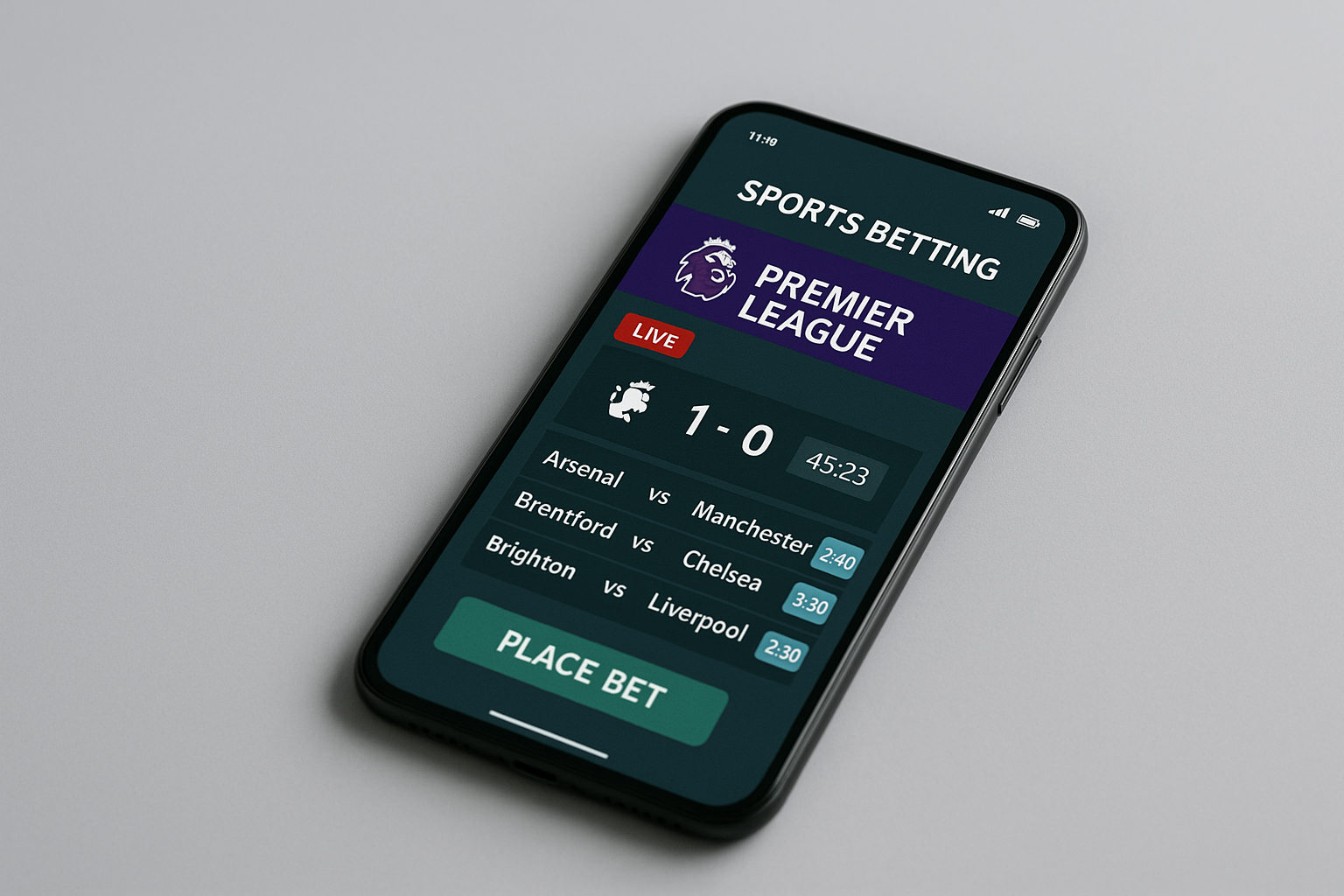
Football betting odds might look confusing for beginners. Numbers like 5/2 or 1.85 on a bet sheet or a betting platform like M88 might look simple, but they carry a lot of meaning. For newcomers to sports betting, these numbers might look foreign. Understanding how betting odds work and what they mean is one of the first steps to making smarter betting decisions.
Odds are not just about calculating profit. For seasoned bettors, odds are a way to understand probability and risk. The odds reflect how likely a bookmaker believes a match outcome is and determine how much money you could win.
Professional bettors analyze odds to identify potential value and spot opportunities that bookmakers might overlook. But understanding odds can be challenging for beginners. Analyzing odds is more than just choosing the lowest or highest numbers.
Understanding odds
For newcomers to sports betting, understanding odds might feel confusing. Betting odds tell us the money you can win and the amount of risk from your wager. The odds can be presented in several different ways. There are three primary forms of odds:
- American Odds: Used in the USA
- Fractional Odds: Used in the UK
- Decimal Odds: Used in Europe and worldwide
American Odds
American odds are displayed with either a positive or negative number. A positive number represents the underdog, while a negative number represents the favorite. The odds are based on a $100 bet. For example, odds of +200 mean a $100 bet would return $200 in profit if you win. And if the odds are -110, this means you would need to bet $110 to win $100 in profit.
Fractional Odds
Fractional odds are displayed as fractions, such as 10/3, 7/4, or 3/1. The first number represents the potential profit, while the second number represents the wager. You can calculate the profit by multiplying the bet amount by the fraction. For example, a $10 bet with 3/1 odds will yield a $30 profit if the bet is successful.
Decimal Odds
Decimal odds are shown as numbers such as 3.00, 1.50, or 2.75. The number is the amount of profit a bettor could collect on a $1 bet. For example, if the odds are shown as 2.50, a $10 winning bet would receive $25 in total, which includes a $15 profit and the original $10 bet.
Tips to read odds like a pro
- Compare odds across different platforms: Before placing your wager, make sure to find the best value by comparing odds across different bookmakers. Even small differences in odds can affect your profit.
- Understand the probability: Interpret what the odds say about probability. Professional bettors would evaluate whether the bookmaker’s estimation matches their prediction.
- Find market inefficiencies: Factors like public opinion or large volumes of wagers can create inefficiencies in the odds. Analyze the statistics to determine whether the market has mispriced an outcome.
- Remain objective: Avoid betting based on favorites, personal bias, or recent results. Remain objective when analyzing matches by relying on data and probability.

