
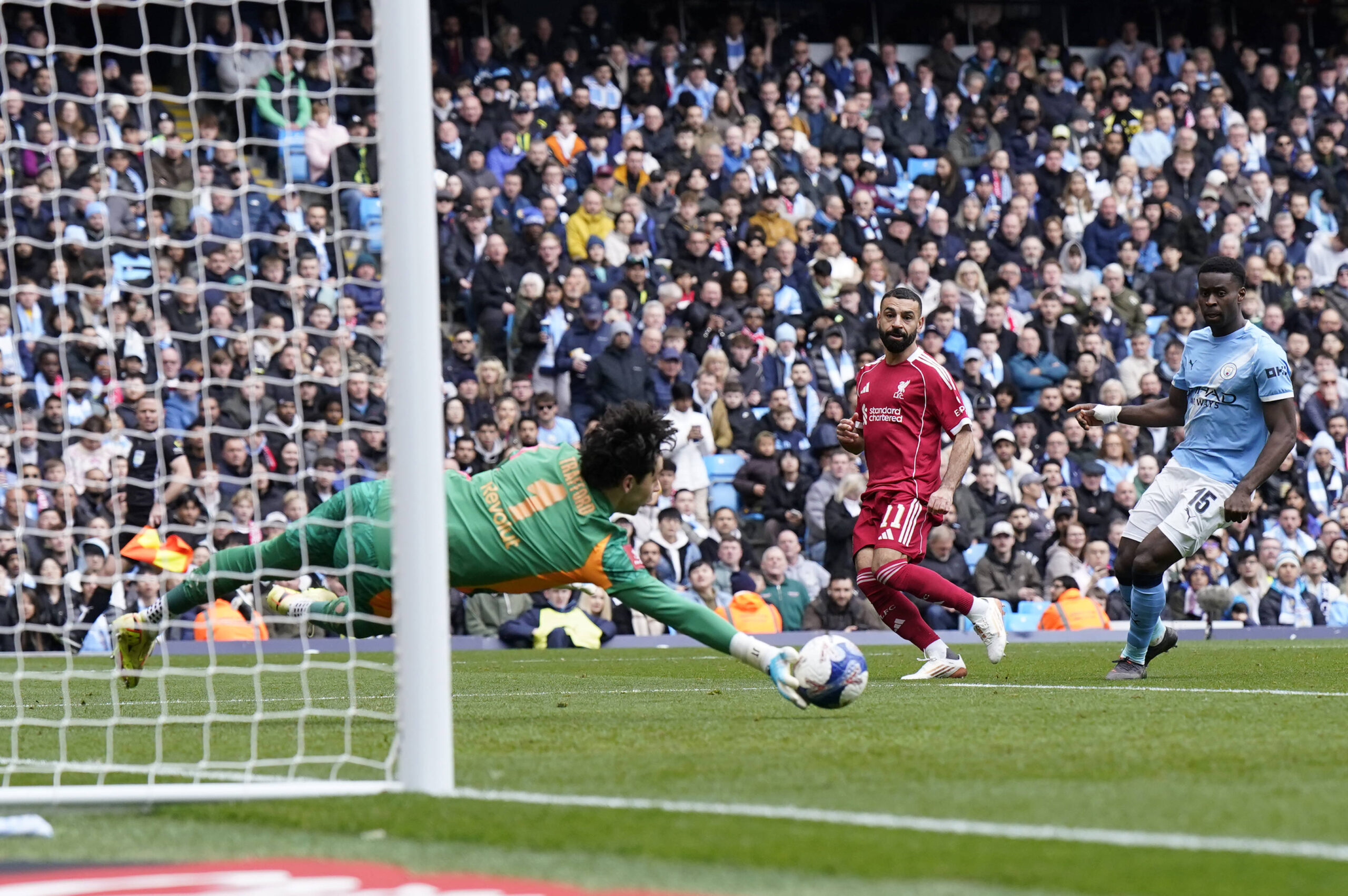
In the modern era, high pressing has become a defining characteristic of Liverpool FC. This became particularly evident during Jünger Klopp’s tenure, when he introduced the philosophy of Gegenpressing, and it remains a noticeable feature today. In this article, we will discuss how Liverpool disrupts the opponent’s positional play through high pressing and why this is relevant.
High Pressing in Modern Liverpool: How It Shows Up
In the spring of 2024, Liverpool led the English Premier League in PPDA (the number of passes allowed to the opponent before a defensive action) with a figure of around 6.30, which was significantly better than their rivals’ figures. Jürgen Klopp’s tenure became a pivotal period in shaping the Liverpool team we know today, and this has been noticed not only by fans but also by those who trade on the Forex market through forex brokers and have only a general understanding of the Premier League.
Klopp believed that the best playmaker was a high-presser. After losing ball possession, the team didn’t drop back, but immediately engaged in a battle to win the ball back from their tired opponents before they had a chance to reorganize their attack.
In the 2024/25 season, with the arrival of Arne Slot, things changed, and the high-pressure style ceased to be a constant, aggressive pressure across the entire field. Both Liverpool fans and opponents have noticed that the pressing has become more zone-based and situational. The team uses triggers, such as an inaccurate first pass by the opponent or a cross-field pass by a fullback, to apply maximum pressure.
The key objective of Liverpool’s modern pressing is to shut down the opponent’s attacking options before they even begin, rather than simply to win the ball back. Midfielders, particularly Dominik Szoboszlai and Alexis Mac Allister, play a crucial role in this process. They not only press aggressively but also read the game, anticipating the next pass. Up front, Darwin Núñez often leads the initial wave of pressure, as his energy allows him to constantly put defenders under pressure.
Thus, Liverpool’s modern pressing style differs significantly from what it was in the beginning. This signature trait allows Liverpool not only to disrupt opponents’ attacks but also to create scoring opportunities immediately after winning the ball near the opponent’s penalty area.
How Pressing Undermines Positional Play
Liverpool’s pressing creates real chaos for the rivals on the field. It disrupts their positional play by cutting off passing lanes and denying opponents time to make decisions. The first thing worth mentioning in this context is the blocking of the build-up. Liverpool uses three players in the center to press, blocking the opponent’s short passing game and forcing the goalkeeper to kick the ball forward, where Liverpool’s defenders win the ball back.
The high intensity of the game is also a key factor here. It is worth noting that Liverpool leads Europe in high-intensity sprints, which often causes opponents to tire physically and make technical errors. As for the psychological aspect of this tactic, the constant pressure causes the defenders to panic and play the ball into the area where Liverpool is already waiting to intercept it.
As a result, the opponent’s positional play often falls apart right before our eyes because they are unable to form passing triangles. Liverpool presses not only the ball, but also the space around it, thereby turning the game into a series of quick attacks.
Why Is High Pressing Still Effective in the Premier League?
In today’s football, pressing has become not just a tactic but a way to control the game. It might seem that most Premier League teams have long been familiar with it and are trying to adapt, yet this approach remains effective in the modern EPL.
The thing is that the Premier League is known for the high intensity of its matches, and, as a result, even technically strong teams make mistakes under pressure. Just a few seconds of hesitation can be enough to lose the ball in the danger zone.
This is particularly important and relevant for Liverpool, as this team doesn’t just press; it does so with a clear understanding of the situation. The players choose exactly when to push up and often step up their intensity in response to specific triggers. This approach allows the team to conserve energy while maintaining its effectiveness.
Liverpool’s high pressing has long since ceased to be merely an aggressive stylistic trait; today, it is a well-honed tool for controlling the game. The team deliberately influences its opponents’ decisions, forcing them to make mistakes even during the build-up phase. As for the immediate future, the question is no longer whether Liverpool’s pressing works, but whether opponents will be able to consistently counter it. Today, the answer is likely no, and so Liverpool remains among the teams that dictate the pace of the game.

