
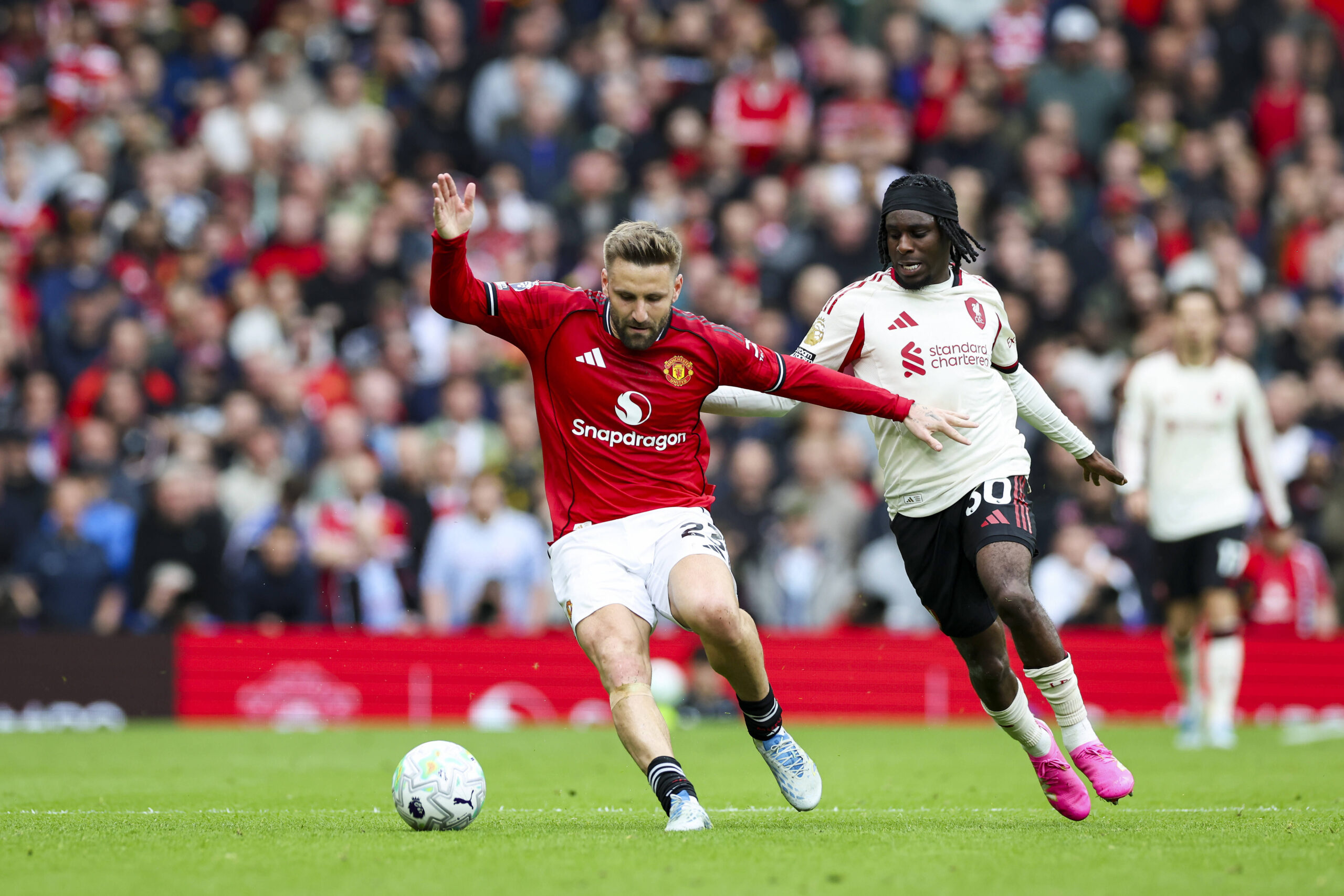
Old Trafford set the stage for a match that carried real consequence. United needed control. Liverpool needed points. The margin for error felt thin from the first minute. This was not a routine fixture. It was a game shaped by pressure, timing, and small decisions that carried weight. During moments like this, fans often turn to platforms such as Onjabet to follow live updates and stay connected to the match without stepping away from the action. The match itself stayed open. It moved quickly. Chances did not take long to appear, and control rarely held for long.
Current Form and League Position
United entered with momentum. Carrick’s side looked settled in structure. Defensive phases held shape. Transitions came with intent. Sixty-four points placed them third. That position reflected consistency more than short bursts of form.
Home matches added another layer. The tempo felt measured. The team pressed with purpose. Mistakes were forced rather than invited.
Liverpool arrived with urgency. Fifty-eight points left them chasing. The gap mattered. Away matches had not always been reliable. Attacking output still carried threat, though it often relied on moments rather than sustained control.
This contrast shaped expectations. Stability on one side. Variability on the other. Markets tend to react to that kind of split.
Key Players and Tactical Details
Fernandes dictated rhythm through small decisions. He did not rush possession. He waited for the right pass. Space appeared as a result.
Mbeumo worked off movement. His runs pulled defenders out of line. That created gaps rather than direct chances.
Maguire stayed disciplined. He held position. Clearances came early. That reduced second-ball pressure.
Gakpo carried Liverpool’s attack. He operated between lines. Support came from wide areas, though final delivery lacked consistency.
United leaned into transitions. Liverpool tried to slow the pace. The game sat somewhere between those ideas.
Head-to-Head and Historical Context
Recent meetings rarely settled into patterns. Goals appeared on both sides. Momentum shifted without warning.
Old Trafford tilted things slightly. United played with more control in that setting. Liverpool looked for speed during transitions. That approach created risk in both directions.
The May 3 match followed a similar outline. Open play dominated. Defensive caution never fully settled. The score reflected that tension rather than control.
Key betting angles for this derby included:
- United to win based on home consistency
- goals from primary attacking players
- total goals over 2.5 driven by open phases
- BTTS aligned with historical scoring patterns
These angles did not rely on guesswork. They reflected patterns already visible across recent meetings.
Best Betting Options and Value Perspective
United’s home form shaped early pricing. The market leaned in that direction. It was not an aggressive stance. It was a measured response to consistency.
“Both Teams to Score” stayed relevant. Clean sheets rarely define this fixture. Attacking output tends to override defensive caution.
Player markets followed similar logic. Fernandes remained central to chance creation. Mbeumo’s involvement made him a secondary option. These selections depended more on role than form spikes.
Total goals above 2.5 continued to hold weight. Past results supported that view. The structure of the match did not suggest a shift toward control.
Some bettors combined outcomes. A United win paired with BTTS offered stronger returns. That approach carried risk, though it aligned with the game’s typical pattern.
Fatigue entered the picture late in the season. Decision-making slowed slightly. That often creates openings rather than suppresses them.
What This Match Revealed
United managed key moments better. The result followed that pattern. It was not dominance. It was timing.
Liverpool stayed competitive. They created chances. The difference came in execution.
Matches like this rarely reshape a season alone. They expose tendencies. They highlight where control holds and where it breaks.
The derby did not resolve everything. It clarified enough. High-pressure games reward structure. They also reward patience. In that balance, small edges begin to matter more than big ideas.

